Choosing Your Deck: The Ultimate Guide to Timber Decking Materials
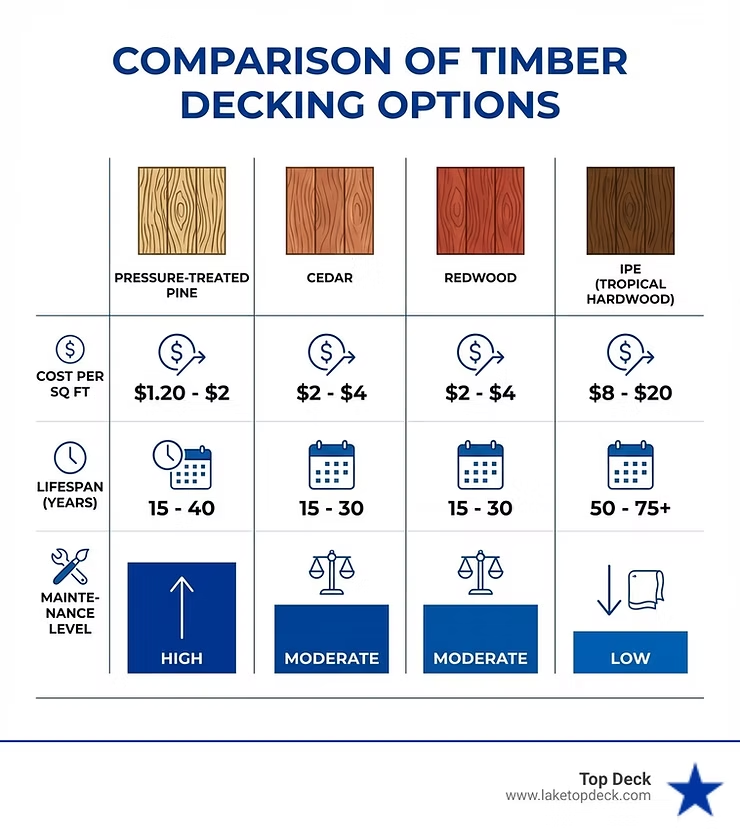
Timber decking options include pressure-treated pine, cedar, redwood, and tropical hardwoods like Ipe and mahogany. Each offers different benefits in cost, durability, and maintenance requirements: Pressure-Treated Pine: $1.20-$2/sq ft, 15-40 year lifespan, high maintenance Cedar/Redwood: $2-$4/sq ft, 15-30 year lifespan,...
Timber decking options include pressure-treated pine, cedar, redwood, and tropical hardwoods like Ipe and mahogany. Each offers different benefits in cost, durability, and maintenance requirements:
-
Pressure-Treated Pine: $1.20-$2/sq ft, 15-40 year lifespan, high maintenance
-
Cedar/Redwood: $2-$4/sq ft, 15-30 year lifespan, moderate maintenance
-
Ipe (Tropical Hardwood): $8-$20/sq ft, 50-75+ year lifespan, low maintenance
-
Mahogany: $3-$6/sq ft, up to 40 year lifespan, moderate maintenance
Building a new deck is about creating an outdoor space for relaxation and enjoyment. Your choice of decking material directly impacts how much time you’ll spend maintaining that space versus enjoying it. Wood decks offer a high return on investment of around 80 percent, but not all timber is created equal. The differences in appearance, durability, maintenance, and long-term costs are significant.
Understanding what each material truly delivers is key. Some woods require annual sealing, while others need minimal care but cost more upfront. Some are naturally resistant to rot and insects; others rely on chemical treatments. Making the wrong choice can mean rebuilding your deck in 10-15 years instead of enjoying it for 30-75 years.
I’m Jason Dampier, owner of Top Deck. I’ve overseen hundreds of custom deck projects across the midwest, helping homeowners choose timber decking options based on their needs, budget, and lifestyle. I’ve seen which materials deliver on their promises and which fall short in our humid climate.
Key Factors in Choosing Your Timber Decking
When starting a deck project, the variety of timber decking options can be overwhelming. To simplify the process, we guide our customers in the Lake of the Ozarks, Springfield, and surrounding areas through several key factors: your budget, the local climate, desired aesthetics, and your maintenance commitment.
Your Budget: Upfront vs. Long-Term Costs
While it’s tempting to focus on the initial price, we encourage clients to consider long-term value. Pressure-treated pine is affordable upfront ($1.20-$2/sq ft), but its high maintenance adds to the lifetime cost, as traditional wood decks need cleaning and sealing every 1-3 years.
Conversely, premium hardwoods like Ipe cost more initially (around $14/sq ft for material, with installation ranging from $50-$80/sq ft) but offer lower long-term maintenance and a much longer lifespan. Wood decks add significant value to your home with an ROI of around 80%. We help you plan by factoring in all costs—initial, maintenance, repairs, and eventual replacement—for a clear financial outlook.
Climate and Location
The climate in the Lake of the Ozarks and Southwest Missouri—with its high humidity, temperature swings, and strong sun—is a major factor. Your decking material must resist moisture, rot, and UV damage to last. For humid or lakefront properties, moisture resistance is key, and tropical hardwoods offer impressive natural resistance.
Proper under-deck ventilation is also critical in our humid climate to prevent moisture buildup that causes warping and rot. Our installation practices ensure proper airflow to protect your investment.
Desired Aesthetics and Style
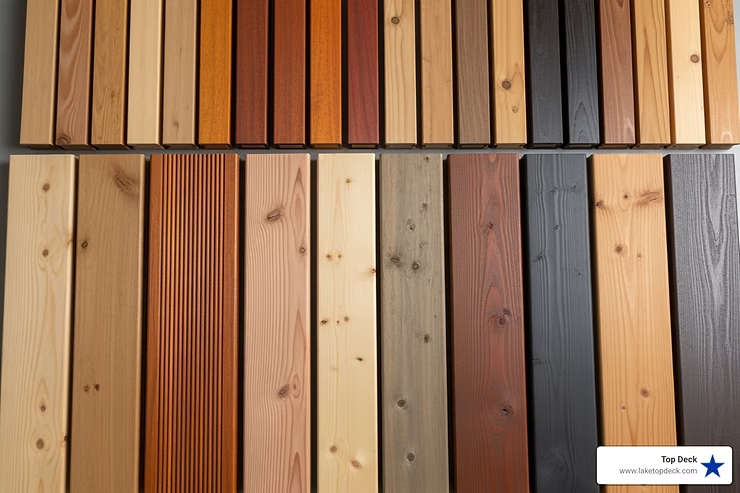
Your deck’s look is paramount, as it extends your living space and reflects your style. Each timber option has unique beauty, color, and grain. Pressure-treated wood starts with a greenish hue, fading to gray. Cedar ranges from light brown to salmon pink, while redwood is a richer red; both weather to a silvery-gray if untreated.
Mahogany offers an neat, reddish-brown color and fine grain. Tropical hardwoods like Ipe boast deep, exotic colors. Whether you want a rustic or sophisticated look, we have an option for you. We can also help you choose complementary railing options for a cohesive design.
Maintenance Commitment
Your willingness to perform maintenance is a critical factor. Traditional wood decks require attention every 1-3 years. This includes annual cleaning to remove dirt and mildew. Softwoods like cedar and redwood also need annual sealing or staining to protect them and maintain their color.
Hardwoods benefit from a UV-resistant finish every few years to preserve their rich tones, though they can be left to weather to a beautiful silver-gray. Your commitment to these tasks will influence your best material choice.
Sustainability and Environmental Impact
The environmental footprint of your decking is a valid concern, especially regarding the sourcing of tropical hardwoods. We prioritize responsibly harvested materials. Look for FSC-certified lumber, which guarantees the wood is sustainably sourced from responsibly managed forests.
This provides peace of mind, especially for tropical hardwoods. Pressure-treated wood involves chemical preservatives; while modern treatments are safer, some homeowners prefer naturally resistant woods.
Choosing FSC-certified wood supports responsible forestry practices. FSC-certified Wood is a renewable resource, but some species are more sustainable than others. If you’re choosing a wood product and sustainability is a concern, make sure to choose FSC-certified lumber. This wood is certified to be sustainably sourced by the Forest Stewardship Council.
A Deep Dive into Timber Decking Options
Let’s explore the main timber decking options. The fundamental difference is between hardwoods and softwoods. Hardwoods (e.g., Ipe, oak) come from slow-growing, broad-leaved trees and are dense and durable. Softwoods (e.g., pine, cedar) come from faster-growing conifers and are less dense. This density difference affects durability, insect/rot resistance, cost, and maintenance.
Comparing Softwood Timber Decking Options
Softwood timber decking options are popular for their affordability and natural beauty. While softer than hardwoods, certain species offer good natural resistance to rot and insects.
Pressure-Treated (PT) Lumber
Pressure-treated (PT) lumber (usually pine or fir) is the most common and budget-friendly option. Chemical preservatives are forced into the wood to protect it from rot and insects. A PT deck can last 20-40 years with proper care, but neglect can shorten its life to 10-15 years. PT lumber requires consistent maintenance with a water-repellent stain to prevent warping and cracking.
For a more stable deck, we recommend Kiln-Dried After Treatment (KDAT) lumber. KDAT wood is dried post-treatment, significantly reducing warping and shrinking. We proudly offer KDAT to give your deck the best start. Get expert advice on KDAT lumber and other premium decking materials for your project.
Cedar and Redwood
Cedar and redwood offer natural beauty and rot resistance without the premium cost of tropical hardwoods. Their natural oils provide inherent protection against decay and insects.
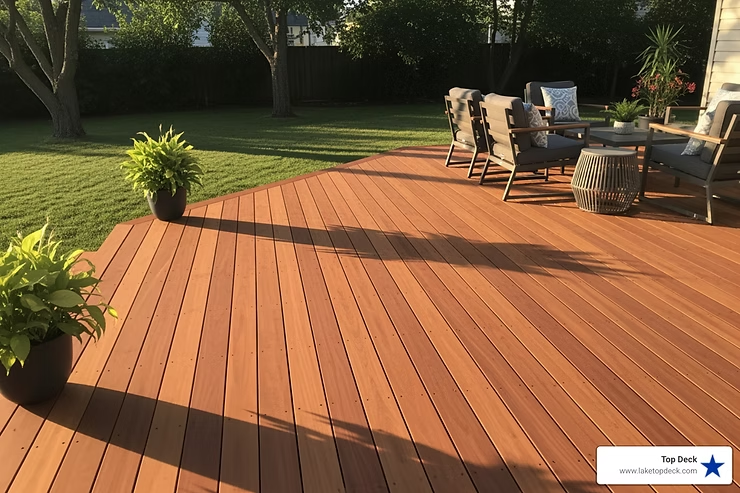
Western Red Cedar is a beautiful, aromatic softwood with colors from light brown to salmon pink, lasting 13-20 years with care. Redwood is denser, with rich red-brown hues and natural fire resistance, lasting 20-30 years. Both woods weather to a silvery-gray if untreated, but annual sealing is needed to maintain their color. As softwoods, they are more prone to dents than hardwoods. For best results, use all-heart grades.
Exploring Hardwood Timber Decking Options
Hardwood timber decking options represent the pinnacle of durability and natural beauty. These exceptionally dense woods are tough and long-lasting, and their performance often justifies the higher investment.
Ipe (Brazilian Walnut)
For maximum longevity, Ipe (pronounced “ee-pay”) is the undisputed champion. This incredibly dense Brazilian hardwood is exceptionally resistant to rot, insects, and fire, boasting a fire rating equal to steel. An Ipe deck can last 50-75 years or more. Ipe’s natural oils provide a low-maintenance profile.
It can be left to weather to a silver patina or oiled annually to preserve its rich, dark brown color. The main drawbacks are its high cost and difficulty in installation, as its hardness requires pre-drilling. For unparalleled longevity and luxury, Ipe is an outstanding choice we can provide.
Mahogany and Other Tropical Hardwoods
Other tropical hardwoods like true mahogany also offer excellent durability. Known for its rich, reddish-brown color, mahogany can last up to 40 years and requires a UV-inhibiting finish every few years to maintain its color.
Other popular options include Cumaru (Brazilian Teak), which is nearly as durable as Ipe but less expensive, plus Tigerwood, Garapa, and Massaranduba. These hardwoods share Ipe’s benefits of density, natural resistance, and longevity, but are also heavy and require pre-drilling. Their enduring beauty makes them highly sought-after for luxury decks.
Timber vs. The Alternatives: A Quick Comparison
While our focus at Top Deck is on premium timber decking options, we understand that homeowners often consider alternatives like composite or PVC decking. It’s essential to compare these options to make the best decision for your home in the Lake of the Ozarks or Springfield. Each material has unique advantages and disadvantages. We also provide more info about our composite decking options.
|
Metric |
Timber Decking |
Composite Decking |
PVC Decking |
|
Aesthetics |
Natural wood beauty, unique grain, ages naturally, wide range of species |
Mimics wood, consistent color, can have manufactured look |
Consistent, uniform, clean, no wood grain, can look plastic-y |
|
Maintenance |
High (cleaning, sealing/staining 1-3 yrs, splinter/rot checks) |
Low (annual cleaning, no staining/sealing) |
Very Low (annual cleaning, mold/mildew resistant) |
|
Lifespan |
10-75+ years (species dependent) |
25-30+ years (with warranty) |
30-50+ years (with warranty) |
|
Cost (Material/sq ft) |
$1.20 – $14+ (species dependent) |
$1.75 – $4.75 |
$4 – $7.50+ |
|
Environmental Impact |
Renewable resource (if FSC-certified), biodegradable, but can involve deforestation for some species; chemical treatments for PT wood |
Made from recycled wood fibers & plastics, less landfill waste, but not biodegradable |
Made from recycled plastics, highly recyclable, no wood content, but not biodegradable |
Wood vs. Composite Decking
The choice between wood and composite balances natural aesthetics against maintenance. Wood offers authentic beauty and grain but demands regular maintenance (cleaning, sealing) to prevent deterioration. Composite decking, made from wood fibers and recycled plastics, mimics wood with less upkeep.
It resists rot, insects, and warping, requiring only occasional cleaning. Though the initial cost is higher than most softwoods, long-term savings on maintenance can be substantial. While modern composites are much improved with long warranties, some find they lack the authentic feel of real wood.
Wood vs. PVC Decking
Another popular alternative is PVC decking, a fully synthetic material. Unlike wood, which is organic and requires sealing to protect against moisture and rot (especially in Missouri’s humidity), PVC is inherently resistant. Made entirely of plastic, PVC decking is highly resistant to water, mold, and mildew—ideal for wet or waterfront areas.
It requires no sealing, just cleaning, and often stays cooler than composites. While durable with a 50+ year lifespan, some find its uniform, ‘plastic-y’ appearance lacks the natural look of wood. Its cost can be comparable to premium hardwoods.
Maintaining Your Timber Deck for Lasting Beauty
Once your timber deck is installed, proper maintenance is key to preserving its appearance and extending its lifespan, especially in our humid climate. A little care goes a long way in protecting your investment. We also advise on protecting your deck framing to ensure the entire structure lasts.
General Care and Cleaning
Regular cleaning is the most effective maintenance. Sweep debris often and give your deck a thorough wash annually in the spring using a mild soap and water or an oxygen bleach cleaner. Scrub with a soft-bristled brush, working with the grain, and rinse well.
If using a pressure washer, be cautious: use no more than 3,000 psi with a wide fan-tip (15º or wider) kept 12-16 inches from the surface to avoid damaging the wood. Regular cleaning, especially in shady spots, prevents mildew and keeps the deck safe.
Sealing, Staining, and Protecting Your Investment
Sealing and staining are vital for protecting most timber decking options from moisture and UV damage and preserving their color. For softwoods like cedar and redwood, apply a water-repellent sealer or stain annually to prevent moisture damage and UV graying. To allow the wood to gray naturally while still protecting it, use a clear water repellent.
Dense hardwoods like Ipe and mahogany require a different approach. Since traditional stains don’t penetrate well, we recommend a UV-inhibiting penetrating oil made for hardwoods. This oil nourishes the wood, prevents small cracks, and preserves its rich color. Reapply every few years to maintain the color, or let it weather to a silver-gray. Always seal cut end grains with a wax sealant to prevent moisture absorption.
To maximize your deck’s lifespan, we strongly recommend using joist protection tape. This self-adhering membrane creates a waterproof barrier over the joists, protecting the framing from moisture and significantly extending the life of your deck’s substructure.
Frequently Asked Questions about Timber Decking
We get a lot of questions about timber decking options from homeowners and contractors in the Lake of the Ozarks, Springfield, and surrounding areas. Here are some of the most common ones.
What is the longest-lasting wood for a deck?
When considering timber decking options for maximum longevity, Ipe (Brazilian Walnut) consistently tops the list. This tropical hardwood is renowned for its extreme density and natural resistance to rot, insects, and even fire. An Ipe deck can last for decades, often exceeding 50-75 years, making it the most robust choice among natural wood decks.
What is the most affordable timber for decking?
For those on a tighter budget, pressure-treated (PT) pine is generally the most affordable of the timber decking options. Its low material cost makes it less expensive upfront than other woods, and its chemical treatment provides good resistance to rot and insects. However, it does require consistent maintenance to maximize its lifespan.
How can I make my wood deck last longer?
To maximize the lifespan of your wood deck, follow these best practices from installation to ongoing maintenance for any of the timber decking options:
-
Proper Installation and Ventilation: Ensure your deck has adequate space underneath for air circulation to prevent moisture buildup, a primary cause of rot and warping.
-
Joist Protection: We highly recommend using joist protection tape. This self-adhering membrane covers the top of your deck joists, creating a waterproof barrier that shields the substructure from moisture.
-
Regular Cleaning: Sweep debris frequently and perform an annual wash with a mild cleaner to remove dirt, mold, and mildew that can degrade the wood.
-
Consistent Sealing or Staining: For most softwoods, apply a quality water-repellent sealer or stain every 1-3 years. For hardwoods, use a UV-inhibiting penetrating oil to protect from UV damage and moisture.
-
End Grain Sealing: For hardwoods, always seal the end grain of any cut boards with a water-based wax sealant to prevent moisture absorption and checking.
-
Regular Inspections: Periodically check for loose fasteners, damaged boards, or signs of insect activity and address small issues quickly.
Conclusion: Build Your Dream Deck with Confidence
Choosing the right timber decking options is a significant decision that impacts your outdoor living experience for years to come. We’ve explored the diverse world of wood decking, from the affordability and widespread use of pressure-treated lumber to the natural resistance of cedar and redwood, and the unparalleled durability and luxury of tropical hardwoods like Ipe and mahogany. Each option presents a unique balance of cost, aesthetics, maintenance, and longevity.
The “best” choice is the one that aligns perfectly with your budget, the specific climate conditions of your home in the Lake of the Ozarks or Springfield, your aesthetic preferences, and your commitment to maintenance. While synthetic alternatives offer low maintenance, the timeless appeal, natural beauty, and enduring value of real wood remain best for many homeowners.
At Top Deck, we believe in empowering you with the knowledge and premium materials to build the deck of your dreams. For homeowners and contractors in the Lake of the Ozarks, Springfield, and surrounding Southwest Missouri and Oklahoma areas, we provide not just top-quality products, but also the expert guidance and comprehensive support you need from frame to finish. We’re here to help you steer the choices and ensure your deck is a beautiful, long-lasting extension of your home. Get expert advice on KDAT lumber and other premium decking materials for your project.