Capped composite decking is a modern decking material that combines a composite core (made from recycled wood fibers and plastics) with a protective polymer cap that fully encases the board. This protective shell shields the core from moisture, UV rays, mold, and mildew, offering durability and low maintenance that traditional wood and older composite materials can’t match.
Quick Answer: Capped Composite Decking vs. Other Materials
|
Material |
Maintenance |
Lifespan |
Cost |
Resistance |
|
Capped Composite |
Soap and water only, 2-4 hours/year |
25-30 years (up to 50-year warranties) |
$12/sq ft |
Excellent stain, fade, mold, and moisture resistance |
|
Uncapped Composite |
Light cleaning, 2-4 hours/year |
15-20 years |
$7/sq ft |
Vulnerable to moisture, staining, and fading |
|
Traditional Wood |
Staining/sealing, 16-32 hours/year |
10-15 years |
$5/sq ft |
Prone to rot, warping, splintering, and insect damage |
|
PVC Decking |
Minimal cleaning, 1-2 hours/year |
25-30 years |
$12-15/sq ft |
100% waterproof but retains more heat |
The evolution from traditional wood to capped composite represents a major shift in how we think about outdoor living. First-generation composite decking, introduced in the 1990s, offered some improvements over wood but lacked protective capping. This left the material vulnerable to fading, moisture absorption, and surface deterioration.
Around 2010, manufacturers developed the co-extrusion process that fuses a protective polymer cap to the composite core during manufacturing—not as a coating, but as an integral part of the board itself.
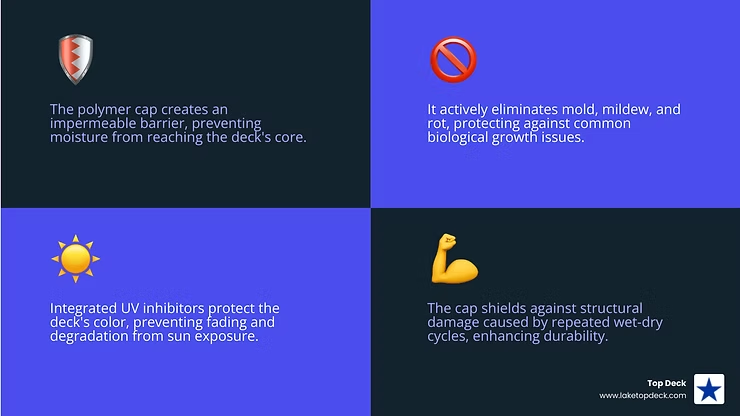
How the cap protects your deck: The polymer shell acts as a shield, preventing moisture from reaching the wood fibers in the core. This eliminates the most common problems with traditional decking: mold growth, mildew, rot, and the structural damage that comes from repeated wet-dry cycles. The cap also contains UV inhibitors that prevent the color from fading year after year.
I’m Jason Dampier, owner of Top Deck, and I’ve personally overseen hundreds of deck installations across the Springfield and Lake of the Ozarks areas. After years of working with both wood and capped composite decking, I’ve seen how the protective cap transforms deck performance and dramatically reduces the maintenance burden for homeowners.
The comparison is stark—especially when you revisit a capped composite deck years later and find it still looking nearly new, while wood decks from the same era are already showing significant wear.
The Ultimate Comparison: Capped Composite Decking vs. Other Materials
When we consider building or renovating an outdoor living space in places like Lake of the Ozarks or Springfield, we’re not just choosing a material; we’re choosing a lifestyle. The material evolution in decking has been rapid and exciting, particularly with the advent of capped composite decking.
We’ve moved from the constant upkeep of wood to the low-maintenance allure of composites, and now to the improved protection and beauty of capped options. The performance differences in durability and maintenance levels between these options are truly eye-opening.
Capped vs. Uncapped Composite
Let’s explore the core difference that sets capped composite decking apart: that protective cap. Many of us remember the early days of composite decking. While it was a step up from wood in terms of splintering and rot resistance, first-generation composites—often referred to as uncapped composites—had their own set of challenges. These boards lacked a protective capping layer, leaving their surface more porous and exposed.
This meant that uncapped composite decking was prone to issues that capped composite decking was specifically designed to avoid. We’re talking about crumbling, color fading, fungus, mold, mildew, scratching, and staining. Imagine a spilled glass of red wine or a greasy barbecue mishap on an uncapped board; those stains could penetrate the surface, becoming a permanent part of your deck’s story.
The exposed wood fibers in the uncapped core were a feast for mold and mildew, especially in humid Missouri summers, leading to discoloration and an unkempt appearance. Over time, the lack of a protective shield also meant these boards could lose structural integrity. The difference between capped and uncapped composite decking is stark, and as your deck ages, it only becomes more noticeable.
With capped composite decking, the polymer cap acts as a barrier, giving us superior protection. It’s like putting a superhero suit on your deck boards, shielding them from the elements and everyday spills. This innovation has significantly improved the durability and aesthetic longevity of composite materials. For more information about various composite decking options, you can always check out our resources at More info about composite decking options.
Capped Composite vs. Traditional Wood
Now, let’s talk about the perennial classic: traditional wood decking. Whether it’s pressure-treated lumber or the more refined kiln-dried options, wood has a certain charm. However, that charm often comes with a significant amount of elbow grease and ongoing expense.
Traditional wood decking demands annual maintenance, including staining and sealing, to protect it from the harsh sun and moisture. We’ve seen countless wood decks in our region succumb to splintering, cracking, and warping over time, despite diligent care.
These issues aren’t just cosmetic; they can lead to costly repairs or even premature replacement. A typical wood deck might require 16-32 hours of cleaning, painting, and staining per year! That’s a lot of weekends you could be spending on your deck, rather than working on it.
The initial upfront cost of traditional wood might seem lower—around $5 per square foot for materials. However, when we look at the long-term cost, the picture changes dramatically. Over a 10-year period, pressure-treated lumber can cost over three times more than even some value-rich capped composite decking options due to the continuous cycle of maintenance and potential repairs.
Capped composite, while a higher initial investment, offers long-term savings by virtually eliminating these recurring costs and labor intensity. It’s a classic case of “pay a little more now, save a lot more later,” allowing you to enjoy your outdoor space without the constant worry of upkeep.
Key Considerations for Your Decking Project
When we start on a decking project, especially in a beautiful area like the Lake of the Ozarks, we’re making a significant investment in our homes and our lifestyles. Choosing the right material involves careful project planning, budgeting, and a clear understanding of the return on investment. Let’s lay out some key considerations.
|
Metric |
Capped Composite |
Uncapped Composite |
Traditional Wood |
|
Lifespan |
25-30 years (up to 50-year warranties) |
15-20 years |
10-15 years |
|
Maintenance |
Low (2-4 hours/year) |
Moderate (2-4 hours/year, but more prone to stains) |
High (16-32 hours/year) |
|
Upfront Cost (Material/sq ft) |
Up to $12 |
Up to $7 |
Up to $5 |
|
Long-Term Value |
Excellent (low maintenance, high durability) |
Good (lower initial cost, but less durable than capped) |
Poor (high maintenance, prone to damage) |
|
Stain/Fade Resistance |
Excellent |
Poor to Moderate |
Poor (requires frequent sealing/staining) |
Lifespan and Maintenance Requirements
This is where capped composite decking truly shines. Homeowners can realistically expect a capped composite decking lifespan to be between 25 and 30 years, with some premium options even carrying warranties of up to 50 years. Imagine building a deck that could outlast your mortgage! This incredible longevity is a direct result of the protective cap, which guards against the elements that typically degrade other materials.
The maintenance required for capped composite decking is refreshingly minimal. Forget the annual sanding, staining, and sealing rituals that wood decks demand. With capped composite decking, cleaning typically involves just soap and water, maybe a quick scrub with a soft brush for tougher spots.
This amounts to just a few hours a year—a stark contrast to the dozens of hours traditional wood decks can consume. This low-maintenance requirement is a huge draw for busy families and anyone who prefers spending their weekends enjoying their deck, not working on it. Plus, the cap’s resistance to rot, insects, and moisture means we don’t have to worry about the unseen damage that can plague wood.
Cost Considerations for Capped Composite Decking
Let’s address the elephant in the room: cost. We understand that the upfront material cost for capped composite decking can be higher than traditional wood. While wood might be around $5 per square foot, capped composite decking can range up to about $12 per square foot for the material alone. Then we factor in installation labor, which can vary based on design complexity and the condition of your existing substructure.
However, we always encourage our clients in Oklahoma and across Missouri to look beyond the initial price tag and consider the long-term value. When you factor in the cumulative costs of maintenance—stains, sealers, cleaners, and the time (or professional fees) to apply them—wood quickly becomes the more expensive option over its lifespan. Statistic? Pressure-treated lumber can cost over three times more than some capped composite decking options over a 10-year period. The maintenance savings alone for capped composite decking are substantial.
Furthermore, a beautiful, well-maintained capped composite deck can significantly improve your home’s resale value, making it a smart investment that pays dividends down the line. For more information on how our outdoor living products can improve your home, visit More info about our outdoor living products.
Aesthetic Options and Design Flexibility
One of the most exciting aspects of capped composite decking is the incredible array of aesthetic options and the design flexibility it offers. Gone are the days when composite decking meant a uniform, artificial look. Today’s capped composite decking captures the nuanced beauty of real wood, often with realistic wood-grain patterns and sophisticated color blending.
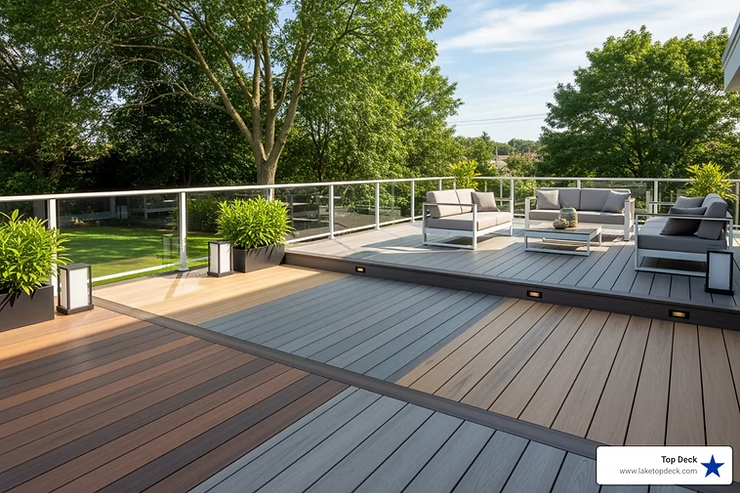
Manufacturers offer a wide spectrum of choices, from rich, monochromatic colors that mimic painted wood to multi-tonal boards that emulate exotic hardwoods with stunning variegation. Some premium lines feature patterns so sophisticated and rarely repeated that your deck will have a truly unique, natural feel. We can even find options with different finishes, like embossed wood grain or a sleek grooved-channel appearance, offering a choice for every style.
Beyond color and texture, capped composite decking provides exceptional design flexibility. Its improved durability means it can handle intricate designs like “picture framing,” where boards are installed around the perimeter of the deck, requiring more precise cuts and screw placements.
The availability of multi-width boards allows for creative patterns, from wide-plank looks to mixed-width designs, adding a custom touch to your outdoor space. This versatility means we can truly bring your unique vision to life, creating a deck that’s not just functional, but a true extension of your home’s aesthetic. To complement your stunning deck, explore our Deck railing options.
Disadvantages and Environmental Impact
While capped composite decking boasts numerous advantages, we believe in providing a balanced perspective. There are a couple of points to consider. The primary disadvantage, as we’ve discussed, is the higher initial investment compared to traditional wood. This upfront cost can be a hurdle for some budgets, though the long-term savings often mitigate this.
Another consideration, particularly in the hot Missouri sun, is heat absorption. Darker colors of capped composite decking, like any dark surface, can retain more heat in direct sunlight than lighter colors or natural wood. This is something we discuss with our clients, especially if their deck will be exposed to intense, prolonged sun or if they have young children or pets who will be on the deck frequently. Lighter color options or strategic shading can often address this concern.
On the environmental front, capped composite decking offers significant benefits that we’re proud to support. Many capped composite decking boards are made from a high percentage of recycled materials. For example, a 500-square-foot capped composite deck can be made from over 140,000 recycled plastic bags!
Many manufacturers proudly state that their boards are made from up to 80% recycled material, blending post-consumer plastics with recycled wood fibers. This commitment to using recycled content reduces landfill waste and lessens the demand for virgin timber, contributing to reduced deforestation. It’s a choice that benefits both your home and the planet.
When is Capped Composite the Right Choice?
So, after weighing all the pros and cons, when does capped composite decking truly become the best choice for your project in the Lake of the Ozarks, Springfield, or surrounding areas? From our experience, it’s the ideal solution for a variety of scenarios.
If you lead a low-maintenance lifestyle and prefer spending your precious free time enjoying your outdoor space rather than toiling away on its upkeep, capped composite decking is your champion. It’s perfect for homeowners who want lasting beauty without the annual chore list.
For those planning a long-term homeownership, the investment in capped composite decking pays dividends. Its exceptional durability and longevity mean you won’t be facing costly repairs or replacements for decades, maximizing your property value and providing peace of mind.
Are you planning a high-traffic area, perhaps a deck that will host lively gatherings, barbecues, or even serve as a tailgating spot? The robust, protective cap of capped composite decking stands up to heavy use, resisting scratches, stains, and scuffs far better than wood. It’s also an excellent choice for pool or lakeside decks, as its moisture resistance is unparalleled, guarding against rot, mold, and mildew that can plague wood in damp environments.
If you’re seeking a blend of stunning aesthetics, unparalleled durability, minimal maintenance, and a smart, long-term investment for your outdoor living space, capped composite decking is not just a good choice—it’s often the best choice. And to truly lift your deck’s ambiance, consider exploring our Deck lighting ideas.
Frequently Asked Questions about Capped Composite Decking
We often hear great questions from our clients in Missouri and Oklahoma about capped composite decking. Let’s tackle some of the most common ones to give you even more clarity.
How does the ‘cap’ protect the composite core?
This is the magic behind capped composite decking! The polymer cap is essentially a high-performance, non-porous layer that is fused directly to the composite core during the manufacturing process, typically through co-extrusion. Unlike a surface coating, it becomes an integral, inseparable part of the board. This creates an impermeable barrier that acts like a superhero shield.
This shield prevents moisture from penetrating the wood fibers within the composite core. Why is this so crucial? Because moisture is the archenemy of decking. In uncapped materials, water absorption leads to a host of problems: mold and mildew growth (especially in our humid summers), rot, swelling, and eventually, structural degradation.
The cap also contains powerful UV inhibitors, blocking the sun’s damaging rays to prevent color fading and surface breakdown. It keeps out insects, stains from spills like wine or coffee, and resists scratches and scuffs from everyday use. Essentially, the cap encapsulates and protects the vulnerable core, ensuring your deck remains beautiful and structurally sound for decades.
What are the different tiers of capped composite decking?
Just like cars or appliances, capped composite decking typically comes in different tiers, often described as “good, better, best” or entry-level, mid-range, and premium. These tiers usually reflect differences in aesthetics, performance, and warranty.
-
Entry-Level / Good: These boards are often monocolored, perhaps in four or five standard shades, with a basic embossed wood grain. They offer the fundamental benefits of capped composite decking—low maintenance and resistance to rot—at a more accessible price point.
-
Mid-Range / Better: Moving up, you’ll find boards with more sophisticated aesthetics. These often feature two or three colors blended together (multi-tonal) to create a more realistic, variegated wood look. The grain patterns might be more nuanced, and the cap’s performance, particularly in stain and fade resistance, is usually improved.
-
Premium / Best: This tier represents the pinnacle of capped composite decking. These boards boast the most sophisticated color blending, often with unique textures that mimic exotic hardwoods, and patterns that rarely repeat, providing an incredibly authentic and luxurious appearance. They typically offer the highest level of performance in terms of scratch, stain, and fade resistance, backed by the longest and most comprehensive warranties (some even up to 50 years). These premium options often allow for greater design flexibility, such as multi-width installations or intricate picture framing.
The choice between tiers depends on your budget, desired aesthetic, and the level of performance and warranty coverage you prioritize for your outdoor space.
How much more expensive is capped composite than wood?
When we look at the initial material cost per square foot, capped composite decking can indeed appear to be significantly more expensive than traditional wood. For example, while pressure-treated or kiln-dried wood might cost around $5 per square foot, capped composite decking materials can range up to $12 per square foot. This means, purely on materials, capped composite can be two to three times more expensive upfront.
However, this is where the “total cost of ownership” becomes a critical factor. A wood deck, regardless of whether it’s pressure-treated or kiln-dried, will require annual expenses for cleaning, sanding, staining, and sealing. These costs, both in terms of materials and the labor (whether your own time or a professional’s fee), add up quickly.
Over a 10-year period, these ongoing maintenance costs can make a traditional wood deck ultimately three times more expensive than a capped composite decking option. When we factor in the potential for repairs due to warping, splintering, or rot, the long-term savings offered by capped composite decking become even more compelling. It’s an investment that saves you money, time, and headaches over the lifespan of your deck.
Conclusion: Build Your Dream Deck to Last
As we’ve explored, capped composite decking represents a monumental leap forward in outdoor living materials. It’s a solution that brilliantly marries the aesthetic appeal of natural wood with unparalleled durability and refreshingly low maintenance. For homeowners in the Lake of the Ozarks, Springfield, and surrounding regions of Missouri and Oklahoma, this means less time working on your deck and more time enjoying it with family and friends.
Its protective polymer cap ensures lasting beauty, resisting the common enemies of moisture, UV rays, stains, and scratches. This translates into a smart investment that not only improves your lifestyle but also maintains, and often increases, your home’s value for decades to come.
At Top Deck, we understand that building a deck is a big decision. We’re here to provide expert guidance and supply premium decking materials to contractors, homeowners, and DIYers across our service areas. Our team is passionate about helping you choose the right materials and supporting you from frame to finish, ensuring your dream deck is built to last.
Start planning your project with our experts today and find how capped composite decking can transform your outdoor living space.