Outdoor construction materials are the foundation of any successful deck, patio, or fence project. The materials you choose determine how long your structure lasts, how much maintenance it requires, and how well it stands up to weather, insects, and daily use.
Here are the main categories of outdoor construction materials you need to know:
-
Traditional Wood – Pressure-treated lumber, cedar, redwood, and kiln-dried options offer natural beauty but require regular maintenance
-
Composite & PVC – Low-maintenance alternatives that resist rot, splinters, and fading, with warranties up to 25 years
-
Concrete & Pavers – Durable hardscaping for patios and foundations
-
Metal – Standing seam panels and structural components for superior weather resistance
-
Structural Solutions – Weather-resistant sheathing, insulated panels, and advanced moisture barriers
-
Sustainable Alternatives – Recycled plastic lumber and eco-friendly materials gaining popularity
The outdoor living products market is projected to reach $13.8 billion by 2027, growing at 4.5% annually. This growth reflects increasing demand for durable, low-maintenance materials that expand living space outdoors. While composite decking can cost up to 30% more upfront than wood, it often saves money over time through reduced maintenance costs.
The right material choice depends on your budget, climate, lifestyle, and design goals. Wood offers timeless appeal but needs yearly sealing and staining. Composite provides a set-it-and-forget-it solution with more color options. Concrete and pavers create versatile hardscaping. Each material has trade-offs in cost, maintenance, appearance, and longevity.
I’m Jason Dampier, and I’ve spent years working directly with outdoor construction materials on hundreds of deck and outdoor living projects across the Midwest, from traditional wood builds to advanced composite systems. Through hands-on experience, I’ve learned which materials truly perform over time and how to match the right products to each homeowner’s needs and budget.
Core Materials for Decks, Patios, and Fences
When planning any outdoor project, the first step is often selecting the primary materials that will form the visible surfaces of your deck, patio, or fence. These choices significantly impact not only the aesthetic but also the longevity and maintenance requirements of your outdoor space. Let’s explore the most popular options available for homeowners in the Springfield and Lake of the Ozarks regions.
Traditional Wood: Timeless Appeal and Natural Beauty
Wood has been the go-to material for decks and fences for decades, and for good reason. Its natural warmth, versatility, and classic aesthetic are hard to beat. Common choices include:
-
Pressure-Treated Pine: This is a popular and cost-effective option, especially for structural components and decking. The treatment process involves infusing chemicals into the wood to protect it from rot, decay, and insect infestation, making it suitable for exterior projects like raised garden beds or decks. However, it’s crucial to understand that even pressure-treated wood benefits from further protection. For improved stability and to minimize warping and checking, we often recommend kiln-dried after treatment (KDAT) lumber. This additional drying process removes excess moisture, ensuring a more stable and reliable product for your outdoor build.
-
Cedar: Known for its beautiful reddish hues and aromatic scent, cedar naturally resists rot, decay, and insects. It’s lighter than pressure-treated pine and offers a refined look, often chosen for its natural aesthetics.
-
Redwood: Similar to cedar, redwood boasts inherent resistance to decay and insects, coupled with a stunning natural color. It’s a premium option that delivers exceptional beauty and durability.
The main advantage of wood is its traditional appeal and often lower upfront cost compared to other materials. However, wood decking typically requires regular maintenance, including staining and sealing, to protect it from the elements and keep it looking its best.
Without this annual care, wood can swell, warp, crack, and lose its paint or finish over time. While there might not be a product warranty from the manufacturer for wood decking, a good contractor will stand by their installation.
We believe in providing the best for our customers, which is why we offer high-quality wood options for your projects. You can find more information about our wood Decking options, including KDAT lumber, at More info about our wood Decking options.
The Low-Maintenance Revolution: Composite & Advanced Wood Alternatives
For those who love the look of wood but not the upkeep, composite and PVC decking materials have revolutionized the outdoor living space. Developed over two decades ago, these materials were designed to solve common wood decking woes, offering a low-maintenance, long-lasting solution.
-
Composite Decking: Made from a blend of wood fibers and recycled plastics, composite decking eliminates splinters, resists rot, decay, and insects. It comes in a wide variety of colors and textures, providing design flexibility. While often 30% more expensive upfront than traditional wood, the long-term savings from reduced maintenance (no yearly sealing or staining) can make it a more cost-effective choice over the lifespan of your deck. Most composite decking comes with product warranties for residential applications, often up to 25 years.
-
Capped Composite Decking: This is an evolution of traditional composite, featuring a protective polymer shell or “cap” around the composite core. This cap significantly improves resistance to scratches, stains, and fading, making it even more durable and easier to clean. Capped composite can also mimic the look of real wood more closely, offering high-end aesthetics with superior performance.
-
Cellular PVC Decking: This material contains no wood fibers, making it exceptionally lightweight and highly durable. Cellular PVC is essentially rot-proof, water-repellent, and resistant to splitting, cracking, and chipping. It offers the widest variety of colors and textures and often comes with impressive warranties, ranging from 25 years to a limited lifetime for residential applications. This material is excellent for those who want virtually no ongoing yearly maintenance.
The choice between wood and these advanced alternatives often comes down to your priorities regarding initial cost, maintenance commitment, and desired lifespan. Here’s a quick comparison:
|
Feature |
Traditional Wood |
Composite/Capped Composite |
|
Initial Cost |
Lower |
Higher (up to 30% more than wood) |
|
Annual Maint. |
High (staining, sealing, repairs) |
Low (occasional cleaning) |
|
Lifespan |
10-15 years (with regular maintenance) |
25-30+ years (often with 25-year+ warranties) |
|
Design Flex. |
Limited (difficult for curves) |
High (can be bent for curves, wide color/texture range) |
|
Durability |
Susceptible to rot, insects, warping |
Resistant to rot, insects, splinters, fade, stain, scratch |
We understand that choosing the right decking material is a big decision, and we’re here to help you steer your options. Explore more about our composite decking solutions at Learn about Composite Decking.
Hardscaping Staples: Concrete and Pavers
Beyond decking, hardscaping materials like concrete and pavers are essential for creating versatile and durable outdoor spaces.
-
Poured Concrete Patios: Concrete offers incredible design versatility. It can be stamped, stained, or textured to mimic natural stone, brick, or other patterns, providing a seamless and durable surface. It’s cost-effective, long-lasting, and serves as an excellent foundation for outdoor kitchens, fire pits, and pergolas. For areas like garage floors, waterproofing the concrete is a crucial step in storm-proofing, and the same principle applies to outdoor concrete patios to protect against moisture intrusion. The process is often simpler than you might think, similar to painting walls.
-
Concrete Pavers: These individual units come in a vast array of shapes, sizes, and colors, allowing for intricate patterns and designs. Pavers are flexible, meaning they can shift slightly with ground movement without cracking, making them easier to repair than poured concrete. They are also highly durable and can create visually appealing patios, walkways, and driveways that perfectly complement wood or composite surfaces.
Both concrete and pavers are excellent choices for creating functional zones in your outdoor living area, offering a solid, low-maintenance surface that integrates beautifully with other outdoor construction materials.
Building for Longevity: Weather-Resistant Structural Components
A beautiful outdoor space is only as good as its foundation. This section explores the materials that ensure your project withstands the elements for years to come, especially important in areas prone to diverse weather conditions like Missouri and Oklahoma.
The Unseen Heroes: Framing and Substructures
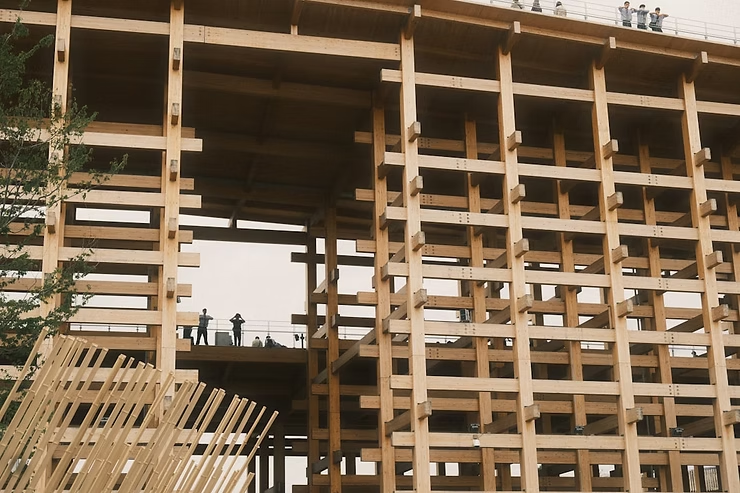
The frame is the backbone of your deck or outdoor structure, and choosing the right materials here is paramount for safety and longevity.
-
Pressure-Treated Wood Framing: Just like with decking, pressure-treated lumber is the standard for deck framing due to its resistance to rot and insects. However, to minimize issues like twisting and warping that can occur as the wood dries, we strongly advocate for the use of kiln-dried after treatment (KDAT) lumber for framing. KDAT lumber has been dried to a specific moisture content after the pressure-treating process, resulting in a more stable and predictable material that creates a stronger, more reliable structure. This stability is critical for preventing future problems and ensuring the integrity of your entire outdoor living space.
-
Proper Footers and Fasteners: No matter how good your framing lumber, it’s only as strong as its connections. Proper footers, dug deep enough to withstand frost heave in our region, provide the essential base. High-quality, corrosion-resistant fasteners are equally important to ensure that every joint holds strong against gravity, wind, and time.
These unseen components are the true workhorses, contributing significantly to the longevity and safety of your outdoor project. We ensure that our framing materials meet the highest standards for durability and performance. You can explore our Framing materials at Explore our Framing materials.
Advanced Building Envelope Solutions
While often associated with homes, the principles of a robust building envelope extend to many outdoor structures, especially those with enclosed spaces like covered patios or outdoor living rooms. A well-designed building envelope effectively separates the inside from the outside, keeping conditioned air in and unwanted elements out.
-
Weather-Resistant Sheathing: Products like LP WeatherLogic® Air & Water Barrier Structural I panels are designed to seal out moisture and air while allowing moisture vapor to escape. This creates a tighter building envelope, crucial for energy efficiency and protection against water intrusion, especially during construction in unpredictable weather.
-
Insulated Structural Panels: For structures that require thermal performance, such as an insulated outdoor office or a conditioned outdoor living space, insulated sheathing panels like LP NovaCore® Thermal Insulated Sheathing are excellent. These combine OSB structural sheathing with XPS foam, offering continuous insulation for superior thermal performance in both high and low temperatures. When choosing between XPS vs EPS insulation, XPS often has a higher R-value per inch and better moisture resistance, making it ideal for below-grade or high-moisture applications.
-
Air and Water Barriers: Beyond sheathing, specialized tapes and sealants, such as LP WeatherLogic® Seam & Flashing Tape and Sealant, are used to seal seams and penetrations, preventing air and water leakage. This is where fluid-applied flashing becomes a game-changer. For areas with frequent storms, sealing windows and other small home entry points is vital to avoid flooding. Fluid-applied flashing tightens and improves a home’s envelope by sealing these small entry points and penetrations, enhancing efficacy and protecting against leaks. We can provide information on fluid-applied flashing and advanced envelope solutions available through Top Deck partners.
These advanced solutions contribute to the longevity and durability of outdoor structures by protecting them from moisture, air infiltration, and temperature fluctuations, ultimately leading to increased energy efficiency and protection against moisture intrusion.
The Enduring Strength of Metal and Concrete
For ultimate durability and resistance to extreme weather, metal and concrete play significant roles in outdoor construction materials.
-
Metal Roofing for Pergolas and Covered Patios: Metal roofing, such as standing seam panels from MBCI, offers superior durability and can withstand high winds, hail, and heavy snow loads. This makes it an excellent choice for weather-resistant construction in storm-prone areas like the Midwest. Metal roofs are also fire-resistant and can last for decades with minimal maintenance.
-
Concrete Framing and Stucco Finishes: For incredibly robust structures, concrete framing or Insulated Concrete Form (ICF) construction provides unparalleled stability and resistance. Poured concrete and ICF construction are stronger than wood framing, offering better resistance to moisture, high winds, impact, and even seismic activity. This was exemplified by a home that survived a major hurricane due to its robust exterior materials, including a concrete frame. Stucco, a durable and seamless finish, can be applied over concrete or masonry to create a visually charming and long-lasting exterior that resists various weather elements.
-
Fiber Cement Siding: While not exclusively structural, fiber cement siding acts as a formidable exterior defense. It is highly durable, impact-resistant, moisture-resistant, and flame-resistant. Fiber cement siding can withstand high winds, hail, and moisture, making it a popular choice for homes in storm-prone areas. It also resists fading and chipping, offering a robust alternative to wood siding that can swell and warp with moisture.
These materials are essential for building and maintaining outdoor spaces that are both functional and aesthetically pleasing, providing peace of mind knowing your structure is built to last. We ensure our materials stand up to extreme weather, providing you with durable solutions for your outdoor projects.
Innovative and Sustainable Outdoor Construction Materials
The future of building is here, with materials that are both high-performance and environmentally conscious. As we look towards more responsible building practices, innovative outdoor construction materials are gaining popularity for their reduced environmental impact and improved performance.
The Rise of Eco-Friendly Outdoor Construction Materials
Sustainability is no longer a niche concept but a crucial consideration in modern construction. We’re seeing exciting advancements in materials that offer both durability and environmental benefits.
-
Recycled Plastic Building Materials: Imagine building a deck or fence from materials that were once plastic bottles or containers! Recycled plastic building materials, like those offered by hanit, are weather-resistant, rot-proof, and water-repellent. They offer a sustainable and durable alternative to traditional materials, reducing waste and conserving resources. These materials are as easy to work with as wood and are 100% recyclable at the end of their service life, making them an excellent choice for gardening, landscaping, and urban design projects.
-
Thermally Modified Wood: This process involves heating wood to high temperatures in a controlled environment, which permanently alters its cellular structure. The result is wood with significantly improved durability, stability, and resistance to rot, decay, and insects, without the use of chemicals. This makes it a great eco-friendly option for decking and siding.
-
Carbon-Negative Solutions: Some manufacturers, like LP Structural Solutions, are even offering portfolios of products that are carbon-negative, meaning they sequester more carbon than is emitted during their production. Building with such high-performance sheathing products contributes to sustainable practices and can help earn green building credits.
These innovative materials allow us to create beautiful outdoor spaces with a reduced environmental footprint, providing long-term value and peace of mind. We are committed to exploring and offering examples of sustainable building materials offered by Top Deck.
Smart Integrations for Modern Outdoor Living
Beyond the core materials, technology is increasingly integrated into outdoor living spaces to improve functionality, comfort, and ambiance. These smart solutions transform a simple patio or deck into a true extension of your home.
-
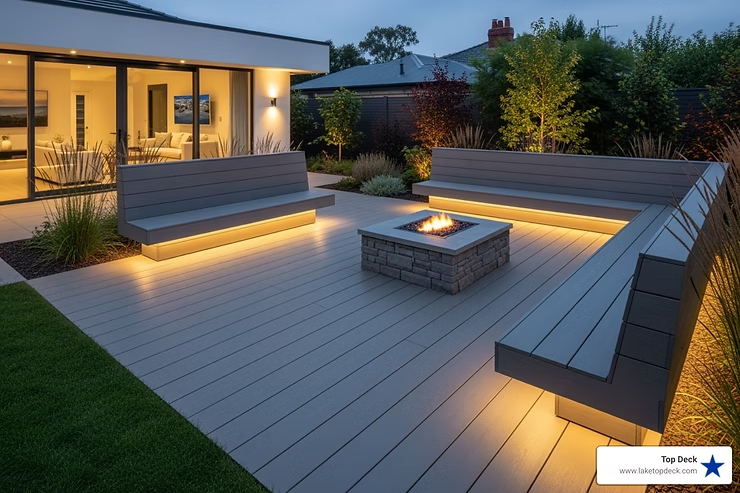
Integrated LED Deck Lighting: Strategically placed LED lighting not only improves safety by illuminating steps and pathways but also creates a warm and inviting atmosphere for evening entertaining. Many systems can be controlled via smartphone, allowing for customizable colors and brightness. We offer a range of outdoor Lighting solutions to bring your vision to life.
-
Automated Pergolas: Imagine adjusting the louvers of your pergola with the touch of a button to control sunlight or provide shelter from a sudden rain shower. Automated pergolas offer convenience and adaptability, allowing you to maximize comfort in your outdoor space throughout the day.
-
Outdoor Sound Systems: High-fidelity, weather-resistant outdoor speakers can be seamlessly integrated into your deck or patio design, providing ambient music or entertainment for gatherings.
-
Radiant Heating: For colder evenings or seasons, under-deck or patio radiant heating systems can extend the usability of your outdoor space, providing warmth and comfort.
These smart integrations lift the outdoor living experience, making your space more functional, enjoyable, and an integral part of your home. We’re always exploring new ways to improve your outdoor living experience, from lighting to full outdoor living concepts.
A Practical Guide to Selecting Your Materials
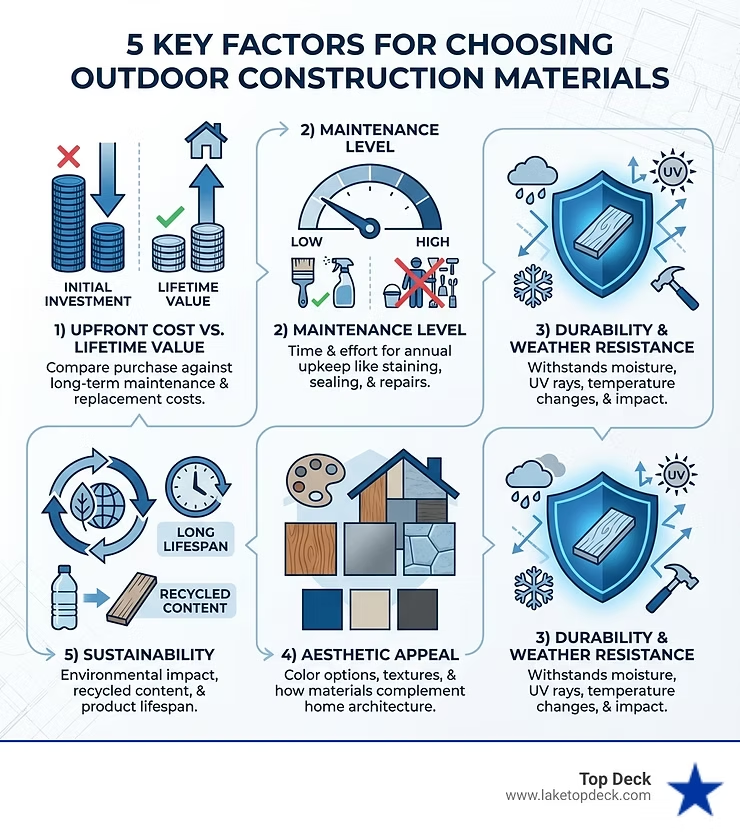
Choosing the right outdoor construction materials involves balancing several key factors to meet your project’s specific needs and your home’s unique environment. It’s an exciting process, and we’re here to help you make informed decisions.
Key Factors: Balancing Cost, Maintenance, and Aesthetics
When we help our clients select materials, we always emphasize a holistic view, looking beyond just the initial price tag.
-
Upfront Investment vs. Long-Term Value: As we discussed, composite decking might have a higher initial cost than wood, but it can save homeowners money in the long run due to significantly lower maintenance costs. The global market for outdoor living products underscores this trend, as homeowners seek value that extends beyond the first year. Consider the full investment, including labor, under-structure expenses, and annual maintenance.
-
Time and Cost of Annual Upkeep: Are you someone who enjoys regular DIY projects like staining and sealing, or do you prefer a “set it and forget it” approach? Wood requires consistent maintenance, while materials like composite, PVC, or metal are largely low-maintenance, requiring only occasional cleaning. Your lifestyle is a major factor here.
-
Matching Materials to Your Home’s Architectural Style and Curb Appeal: The materials you choose for your exterior — siding, stone veneer, trim — significantly improve your home’s curb appeal and protection. Fiber cement siding, for example, offers durability and weather resistance while mimicking various aesthetic styles. Cultured stone panels can provide a sophisticated exterior veneer, and exterior trim (engineered, fiber cement, or PVC) can highlight architectural details. The goal is to create a cohesive look that complements your home’s existing design and boosts its overall aesthetic value.
To help you balance these factors, here are some questions to ask before choosing a material:
-
What is my realistic budget for both initial installation and annual maintenance?
-
How much time and effort am I willing to dedicate to upkeep each year?
-
What aesthetic am I trying to achieve, and how will this material integrate with my home’s existing style?
-
How long do I expect this outdoor structure to last?
-
What are the specific weather challenges in my location (Springfield, Lake of the Ozarks, etc.)?
How to Choose the Right Outdoor Construction Materials for Your Climate
The Midwest, including Missouri and Oklahoma, experiences a wide range of weather conditions, from hot, humid summers to cold winters, often accompanied by severe storms. This makes climate resilience a critical consideration for outdoor construction materials.
-
Moisture Resistance: In humid areas or regions with heavy rainfall, materials with excellent moisture resistance are paramount. Pressure-treated lumber, composite, PVC, and fiber cement siding are designed to resist rot and mold. For structural components, weather-resistant sheathing and fluid-applied flashing are crucial to protect against water intrusion.
-
UV Stability: Intense summer sun can fade and degrade many materials over time. Materials with good UV stability, like capped composite decking and certain types of metal or fiber cement, will retain their color and integrity longer.
-
Impact Resistance: Our region can experience hail and strong winds, making impact resistance vital. Hail-resistant roofing shingles with a Class 4 rating are designed to handle the impact from hailstones and high winds, offering superior protection. Metal roofing, such as standing seam panels, also provides excellent impact resistance. For homes, impact-resistant windows are crucial as they have an inner layer that keeps the glass intact even if it cracks, preventing shattering and keeping the elements out.
-
Material Expansion and Contraction: Extreme temperature swings can cause materials to expand and contract. Engineers account for this in materials like composite decking and metal panels to prevent buckling or cracking.
Understanding impact-resistant materials and insulation options available through Top Deck is key to building an outdoor space that truly withstands the test of time and weather.
Designing a Functional and Beautiful Space
Finally, the best materials in the world won’t create a perfect outdoor space without thoughtful design. This involves blending functionality with aesthetics to create an area you’ll love.
-
Planning for Traffic Flow and Distinct Zones: Consider how you’ll use your space. Will there be a dining area, a lounging zone, or a space for grilling? Planning for clear pathways and distinct zones ensures the space is both practical and inviting.
-
Safety Considerations: Railings are not just for safety; they are also a key design element. We offer various railing options, from traditional wood to modern metal and composite, that improve safety while complementing your overall aesthetic. Lighting is also crucial for nighttime safety and ambiance. Explore our Railing options at Explore our Railing options.
-
Local Building Codes and Permits: Always check with your local authorities in places like Camdenton, Springfield, or Branson for specific building codes and permit requirements. Many local codes are based on models like the International Residential Code (IRC), but local amendments are common. This ensures your project is safe, legal, and up to standard.
-
Role of Concrete, Stucco, and Metal: These materials play a vital role in creating durable and long-lasting outdoor construction projects. Concrete can form robust patios and foundations, stucco provides a seamless, weather-resistant exterior finish, and metal can be used for structural elements, roofing, or decorative accents, all contributing to both the structure’s integrity and its aesthetic appeal.
-
By carefully considering these design elements alongside your material choices, we can help you create an outdoor living space that is both functional and aesthetically pleasing. Get ideas for your Outdoor Living space at Get ideas for your Outdoor Living space.
Conclusion
Choosing the right outdoor construction materials is the most critical step in creating a space that is beautiful, durable, and enjoyable for years to come. From the timeless appeal of traditional wood, especially kiln-dried after treatment (KDAT) lumber, to the low-maintenance benefits of composite and PVC, and the enduring strength of metal and concrete, each material offers unique advantages.
By considering factors like your local climate, desired maintenance level, budget, and aesthetic goals, you can select products that provide the best long-term value and performance for your home in the Midwest. We believe in building structures that not only look fantastic but also stand strong against the elements, providing a true extension of your living space.
For expert guidance and a selection of premium materials for your next project, the team at Top Deck is here to help. We’re dedicated to providing comprehensive support from frame to finish, ensuring your outdoor dream space becomes a reality. Learn more about high-performance, kiln-dried wood options for your project at Learn more about high-performance, kiln-dried wood options for your project.