Deck railing costs in Missouri typically range from $30 to $300 per linear foot, installed. For an average deck with 50 linear feet of railing, most Missouri homeowners spend between $1,500 and $8,000 total. Material choice, labour rates, deck height, and local permit requirements all play a role in where your project lands within that range.
What Factors Determine Deck Railing Cost in Missouri?
Several variables push your railing estimate up or down. Here are the key cost drivers to understand before requesting quotes:Material Type
|
Material |
Cost Per Linear Foot (Installed) |
Lifespan |
|
Pressure-Treated Wood |
$30 – $60 |
10–15 years |
|
Vinyl/PVC |
$50 – $100 |
20–25 years |
|
Composite |
$60 – $120 |
25–30 years |
|
Aluminum |
$70 – $130 |
30+ years |
|
Wrought Iron |
$80 – $150 |
30–50 years |
|
Cable Railing |
$100 – $200 |
30+ years |
|
Glass Panel |
$150 – $300 |
20–30 years |
Other Key Cost Factors
-
Deck height:
Taller decks need heavier post footings and more structural support, which raises labour costs
-
Linear footage:
More perimeter means more materials and more installation time
-
Stair sections:
Angled cuts and extra hardware make stairs more expensive than flat rail runs
-
Local labour rates:
Expect $45–$80/hour in Kansas City and St. Louis; $35–$60/hour in smaller Missouri cities
-
Permits and inspections:
Most Missouri municipalities charge $100–$500 for required building permits
-
Baluster style:
Decorative options like twisted iron or glass cost significantly more than standard square balusters
-
Post spacing:
Corner posts, gate posts, and stair posts all add material and labour costs
Understanding these factors upfront helps you compare contractor quotes accurately and avoid budget gaps mid-project.
How Long Does Each Railing Material Last in Missouri’s Climate?
Missouri’s humid continental climate, with hot summers, cold winters, and heavy freeze-thaw cycles, puts real stress on outdoor materials. Choosing the right material for local conditions is just as important as price.
-
Pressure-treated wood:
Lasts 10–15 years with regular sealing and staining. Missouri’s humidity causes warping, cracking, and rot without consistent upkeep
-
Vinyl/PVC:
Performs well in moderate conditions but can become brittle during northern Missouri winters when temperatures drop below 0°F
-
Composite (Trex, TimberTech, Fiberon):
Resists moisture and temperature swings well. Most products carry 25–30 year warranties and hold up reliably through Missouri winters
-
Aluminium:
One of the most climate-resilient options for Missouri. Powder-coated finishes resist rust, and the material handles freeze-thaw cycles without cracking or warping
-
Wrought iron:
Extremely durable but needs periodic rust inspection, especially near rivers or in high-moisture areas. Galvanised or powder-coated finishes extend its lifespan significantly
-
Cable railing:
Marine-grade stainless steel cables resist corrosion well. Cable tension may need minor adjustment after extreme temperature changes
-
Glass panel:
Structurally sound in Missouri weather, but requires regular cleaning during pollen season. Tempered or laminated safety glass is standard
For most Missouri homeowners, aluminium and composite offer the best combination of climate durability and low maintenance over the long term.
Which Deck Railing Material Offers the Best Value in Missouri?
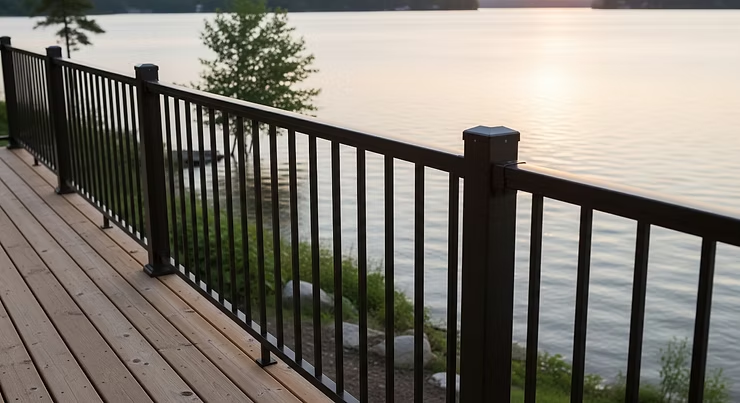
Best value depends on your timeline, maintenance tolerance, and how the deck will be used. Here’s a practical breakdown:
-
Pressure-treated wood is the most affordable upfront option, but Missouri’s humidity and temperature swings cause wood to expand, contract, warp, and crack over time. Without regular sealing, staining, and occasional board replacement, expect a lifespan of 10 to 15 years.
-
Composite railing performs well in Missouri’s climate because it resists moisture absorption and won’t rot or splinter. High-quality composite products from brands like Trex, TimberTech, and Fiberon carry 25 to 30-year warranties and hold up well through Missouri winters without cracking.
-
Aluminium is the most climate-resilient material for Missouri homes. It won’t rust, doesn’t absorb moisture, and handles freeze-thaw cycles without structural degradation. Powder-coated aluminium maintains its finish for decades with minimal upkeep. If you are considering aluminium, learning how to install metal deck railing helps you understand what the installation process involves before requesting quotes.
-
Vinyl/PVC performs well in moderate conditions but can become brittle in extreme cold, something worth considering if your property is in northern Missouri, where temperatures regularly dip below 0°F in winter.
-
Wrought iron offers exceptional longevity but requires regular inspection for rust, especially in areas near rivers or with high moisture exposure. Galvanised or powder-coated finishes significantly extend its lifespan.
-
Cable railing systems use marine-grade stainless steel cables that resist corrosion well, making them a good long-term investment in Missouri’s variable climate. Tension may need occasional adjustment after severe temperature changes.
- Glass deck railing cost runs higher upfront, but the material holds up well structurally and only requires regular cleaning to manage Missouri’s pollen seasons and general outdoor grime. Tempered or laminated safety glass is standard and handles impact well.
20-Year Cost Comparison (50 Linear Feet)
|
Material |
Install Cost |
20-Year Maintenance |
Total |
|
Pressure-Treated Wood |
$2,000 |
$4,000+ |
$6,000+ |
|
Vinyl/PVC |
$4,000 |
$300 |
$4,300 |
|
Composite |
$5,000 |
$500 |
$5,500 |
|
Aluminum |
$5,000 |
$200 |
$5,200 |
|
Cable |
$7,500 |
$400 |
$7,900 |
When you factor in lifecycle costs, aluminium and vinyl often outperform wood despite higher upfront prices.
Common Mistakes Homeowners Make When Budgeting for Deck Railing
These are the budget mistakes that catch Missouri homeowners off guard most often, and the ones that are easiest to avoid with a little preparation:
-
Forgetting permit costs:
Permit fees, inspection charges, and occasional engineer review fees are usually separate from contractor quotes. Budget an extra $200–$800
-
Underestimating stair railing costs:
Stairs require angled cuts, additional hardware, and more labour time. Two stair runs can add $500–$1,500 that a basic linear footage estimate won’t reflect
-
Choosing material on install price alone:
A $30/linear foot wood railing with $300/year in maintenance isn’t cheaper than a $90/linear foot aluminium system that needs almost nothing. Always calculate the full lifecycle cost
-
Getting only one or two bids:
Contractor pricing in Missouri can vary by 40% or more for identical work. Get a minimum of three bids before committing
-
Ignoring HOA restrictions:
Many Missouri subdivisions in Springfield, Nixa, Ozark, Branson, and Republic have covenants that restrict railing materials, colours, and styles. Check before you buy materials
-
Assuming the contractor knows local code:
Missouri sets baseline building codes, but individual cities and counties often add requirements. Confirm your contractor has pulled permits in your specific municipality before work begins
-
Skipping a written contract:
Your contract should specify materials (brand, grade, colour), linear footage, post spacing, baluster style, permit responsibility, timeline, and payment schedule in detail
Avoiding these mistakes can save you hundreds, sometimes thousands, of dollars and prevent project delays.
Final Thoughts
Deck railing is one home improvement project where the cheapest upfront option rarely turns out to be the most economical over time. Missouri’s climate conditions, humidity, temperature extremes, and seasonal freeze-thaw cycles put consistent stress on outdoor structures, and that stress adds up over the years.
For most Missouri homeowners, aluminium or composite railing offers the best long-term value. If budget is the primary concern, pressure-treated wood is workable, just plan for consistent annual maintenance. If you’re renovating for resale or want a standout look, cable or glass panel systems are worth considering.
Whatever material you choose, start by reviewing your deck railing options and materials, get multiple quotes from licensed Missouri contractors, verify permit requirements with your local building department, and make sure every detail is in writing before work begins.
FAQs
How Much Does It Cost To Replace Deck Railing In Missouri?
The cost to replace deck railing in Missouri typically runs $1,500 to $6,500 for a standard deck, depending on material and linear footage. If existing posts or footings need repair or replacement, costs can run higher.
Do I Need A Permit To Replace Deck Railing In Missouri?
In most Missouri cities and counties, replacing deck railing requires a building permit, especially if you’re changing the structural configuration or post placement. Contact your local building department before starting work.
What Is The Cheapest Deck Railing Option In Missouri?
Pressure-treated wood is the most affordable option, ranging from $30 to $60 per linear foot installed. However, it requires the most ongoing maintenance of any material.
How Long Does Composite Railing Last In Missouri?
High-quality composite railing typically lasts 25 to 30 years in Missouri’s climate. Most major brands offer warranties in that range, and the material handles humidity and freeze-thaw cycles well.
What Railing Height Does The Missouri Building Code Require?
Missouri building code requires deck railings to be at least 36 inches high for decks less than 30 feet above grade, and 42 inches high for decks 30 feet or more above grade. Local amendments may apply.
Can I Install Deck Railing Myself In Missouri?
DIY installation is possible, but most municipalities still require a permit and inspection. Improper installation can fail inspections and create liability issues.
Does A New Deck Railing Increase Home Value In Missouri?
Yes. Updated railing improves curb appeal, supports cleaner home inspections, and signals to buyers that the home has been well-maintained. Composite and aluminium systems tend to perform best with Missouri buyers.