Planning to add a pergola to your backyard in Missouri? Before calling a contractor, it helps to know what you’re actually paying for, and why prices can vary so much from one project to the next. Labour rates in Ozark are different from those in Springfield. A cedar pergola behaves differently over time than a vinyl one. And a freestanding structure with a concrete footing is a completely different project than a simple wall-attached kit.
This guide breaks down real pergola installation costs across Missouri, explains the factors that drive those numbers, and helps you avoid the budgeting mistakes that catch most homeowners off guard.
Average Cost of Pergola Installation in Missouri in 2026
In Missouri, most homeowners spend between $3,200 and $11,500 to have a pergola professionally installed. The wide range reflects differences in size, material, structural complexity, and regional labor costs.
Here’s a quick-reference cost breakdown by common project type:
|
Project Type |
Estimated Cost Range |
|
Small DIY kit (installed by contractor) |
$1,800 – $3,500 |
|
Mid-size freestanding pergola (wood) |
$4,000 – $7,500 |
|
Large custom-built pergola (cedar or redwood) |
$7,000 – $14,000+ |
|
Aluminum or vinyl pergola (mid-size) |
$5,500 – $10,000 |
|
Attached pergola with electrical rough-in |
$6,000 – $13,000 |
National Average VS Missouri:
The national average for pergola installation sits around $4,000 to $6,000. Missouri tends to fall close to that midpoint, with urban areas like Nixa and Ozark running slightly higher due to labor demand, while rural areas and smaller metros like Joplin or Cape Girardeau often come in 10–20% lower.
Labor costs typically account for 40–60% of the total project price in Missouri. Material costs make up the rest, depending on what you choose.
What Is a Pergola and What Does Installation Actually Involve?
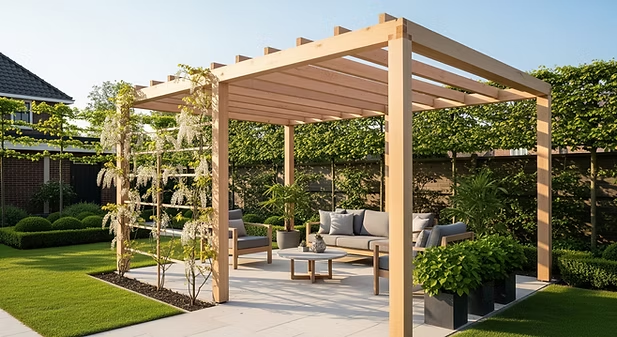
A pergola is an outdoor structure with vertical posts, horizontal beams, and an open or semi-open roof made of crossbeams or lattice. Unlike a gazebo, it doesn’t have a fully enclosed roof. Unlike a patio cover, it’s designed to let in partial light, shade, and airflow, making it a popular choice for outdoor living spaces, garden pathways, and backyard entertainment areas.
What Installation Actually Involves Depends On The Type Of Structure:
-
Freestanding pergolas require digging and setting footings, typically concrete post footings sunk below Missouri’s frost line (around 24–30 inches in most of the state). This adds both labor time and material cost.
-
Attached pergolas are anchored to an existing structure, usually a house wall or deck ledger. They require proper flashing and waterproofing to protect the connection point, plus a structural assessment to confirm the wall can bear the load.
-
Kit pergolas come with pre-cut components. A contractor’s job is mostly assembly, footing prep, and hardware. These are faster to install but still require accurate leveling and secure anchoring.
Beyond the structure itself, installation typically includes:
-
Site assessment and layout marking
-
Footing excavation and concrete pour
-
Post setting and leveling
-
Beam and rafter installation
-
Decorative or functional lattice/roof panel attachment
-
Post cap and trim finishing
-
Optional: electrical conduit rough-in for lighting
Permit requirements vary by municipality in Missouri. In most cities and countries, a pergola that exceeds a certain size threshold (often 200 square feet) or attaches to a permanent structure will require a building permit. Your contractor should handle this, but always confirm upfront.
Key Factors That Affect Pergola Installation Costs in Missouri
Several variables determine what you’ll actually pay for a pergola in Missouri, and understanding them upfront helps you budget accurately, compare contractor quotes fairly, and avoid mid-project surprises.
1. Material Choice
The material you choose affects both the upfront cost and your long-term maintenance expenses.
|
Material |
Pros |
Cons |
Avg. Material Cost (12×12) |
|
Pressure-treated pine |
Affordable, widely available |
Needs regular sealing, can warp |
$800 – $1,500 |
|
Cedar |
Natural rot resistance, attractive grain |
Higher cost than pine |
$1,400 – $2,800 |
|
Redwood |
Premium appearance, durable |
Expensive, harder to source in MO |
$2,000 – $4,000 |
|
Aluminum |
Low maintenance, rust-resistant |
Less natural look |
$2,500 – $5,000 |
|
Vinyl/PVC |
Zero maintenance, clean look |
Less structural strength, can look plastic |
$2,000 – $4,500 |
|
Steel/Iron |
Very durable, high-end aesthetic |
Heavy, may require stronger footings |
$3,500 – $7,000+ |
In Missouri’s climate, with humid summers, cold winters, and occasional severe storms, pressure-treated pine and cedar both perform well when properly finished. Aluminum and vinyl tend to hold up with minimal upkeep.
2. Size and Square Footage
Larger structures cost more across the board: more material, longer labor time, more footings. A 10×10 pergola is a fundamentally different project from a 16×20 one.
A rough rule of thumb: expect to pay $15–$35 per square foot for an installed pergola cost in Missouri, depending on material and complexity.
3. Freestanding vs. Attached
Freestanding pergolas require more footings and take longer to square and level independently. Attached structures share load with an existing wall, which can reduce material costs, but the connection work and weatherproofing can offset those savings.
4. Roof Style and Coverage
An open lattice roof is the simplest and least expensive option. More coverage options add cost:
-
Retractable canopy or Shade Sail: Adds $500–$2,000 depending on size
-
Polycarbonate or Tempered Glass Roofing Panels: Adds $1,500–$4,000+
-
Louvered Pergola System: A motorized louvered roof can add $3,000–$8,000 or more to the total
5. Site Conditions
A flat, accessible yard in suburban St. Charles is much easier to work in than a sloped backyard on a hillside property in the Ozarks. Rocky or clay-heavy soil, which is common in parts of Missouri, can make footing excavation slower and more expensive. Tight access (gates, narrow side yards) also affects labor time.
6. Add-Ons and Custom Features
These are common upgrades that add to the base cost:
-
Electrical wiring and outdoor lighting: $400–$1,500
-
Ceiling fan rough-in: $200–$600
-
Built-in planters or seating: $300–$1,200
-
Privacy lattice walls: $500–$2,000
-
Stain, paint, or sealant finish: $200–$800
7. Contractor vs. DIY
A skilled DIYer can save 40–60% on labor costs. However, freestanding pergolas with concrete footings, attached structures requiring permit-pulling, or anything with electrical work should involve licensed professionals. In Missouri, unpermitted structures can create issues at resale and may need to be removed or brought up to code.
Weigh each of these factors before you finalize a budget. A realistic cost estimate isn’t just the frame and posts, it’s the full picture, from site conditions and materials to permits, add-ons, and long-term upkeep.
Common Budgeting Mistakes Homeowners Make With Pergola Installation
Most cost overruns aren’t surprises, they’re predictable patterns. Here are the mistakes worth avoiding before you sign a contract.
Getting Only One Quote
Labor pricing in Missouri varies significantly, even within the same city. Getting three quotes from licensed contractors gives you a realistic market rate and reveals whether any single bid is unusually high or suspiciously low.
Forgetting The Permit Cost
In Missouri, permit fees for outdoor structures typically range from $75 to $400, depending on the municipality and project scope. Some homeowners skip the permit to save money, only to face fines or complications when selling the property.
Underestimating Site Prep
If your yard has drainage issues, uneven grade, or buried utility lines, those need to be addressed before or during installation. Utility marking (Missouri 811 call) is required by law before any digging, but site-specific issues like poor drainage or steep slope can add $500–$2,000 to a project unexpectedly.
Choosing Material Based Only On Upfront Cost
Pressure-treated pine is cheaper initially, but if you skip annual sealing in Missouri’s humid climate, you’re looking at accelerated rot, warping, or insect damage within 5–8 years. Total cost of ownership matters more than the invoice you pay in month one.
Not Asking About The Footing Depth
Missouri’s frost line is between 24 and 30 inches, depending on your region. Footings set above the frost line will heave and shift over time, destabilizing the entire structure. This is a common shortcut taken by low-bid contractors. Always ask specifically how deep footings will be set.
Treating An Online Cost Calculator As A Real Estimate
National averages don’t account for your specific site, your chosen contractor’s experience level, current lumber or aluminum pricing, or local permit requirements. Use those numbers as a ballpark only, then get local quotes.
Not Budgeting For The Finishing Work
The pergola posts are in, the beams are up, and then you notice the bare concrete footing collars, raw wood that needs staining, and ground cover that was disturbed during excavation. Finishing details add $300–$1,500 to most projects and are easy to overlook in early planning.
None of these mistakes is complicated to avoid. The pattern is the same every time: ask the right questions early, get everything in writing, and budget for the full project, not just the part that shows up in the contractor’s first quote.
Final Thoughts
A well-built pergola adds real outdoor living value and curb appeal to your Missouri home, but only when you plan with accurate numbers. Budget between $3,200 and $11,500 for most professionally installed projects in 2026. Material, size, and site conditions are the biggest cost drivers. Cedar and aluminum deliver the best long-term value for Missouri’s climate.
Before breaking ground, confirm permit requirements, collect at least three local contractor quotes, and scope the full project, including footings, finish work, and electrical. Do that, and your pergola should serve your yard reliably for 15–25 years.
FAQs
How Much Does A 12×12 Pergola Cost To Install In Missouri?
A 12×12 pergola (144 sq ft) typically costs between $3,000 and $7,000 installed in Missouri, depending on material and whether the structure is freestanding or attached. Pressure-treated pine on the lower end, cedar or aluminum on the higher end.
Do I Need A Permit To Build A Pergola In Missouri?
It depends on your local municipality and the project scope. In most Missouri cities and counties, an attached pergola or a freestanding structure over 200 square feet will require a building permit. Check with your local planning or zoning office, or ask your contractor to verify before work begins.
How Long Does Pergola Installation Take In Missouri?
A standard mid-size freestanding pergola typically takes 1–3 days to install once materials are on-site. Concrete footings require a cure time of at least 24–48 hours before framing begins, so factor that into your timeline. Larger or more complex projects can take 4–7 days.
What Is The Best Pergola Material For Missouri’s Climate?
Cedar, pressure-treated pine (properly sealed), and aluminum all perform well in Missouri’s climate. Cedar offers natural rot resistance without chemical treatment. Aluminum requires virtually no maintenance. Pressure-treated pine is the most affordable but needs regular upkeep in humid conditions. Avoid untreated wood or vinyl in high-wind areas.
Can I Install A Pergola Myself To Save Money In Missouri?
Yes, DIY kit pergolas are a realistic option if you’re comfortable with basic carpentry and setting posts in concrete. However, attached structures, any project requiring a permit, and electrical work should involve licensed professionals. Improper footing depth is a common DIY mistake that leads to structural failure over time.
Does A Pergola Increase Home Value In Missouri?
A professionally built, permitted pergola generally does add to home value by expanding usable outdoor living space. The return varies, landscaping and outdoor structure upgrades typically return 60–80% of their cost in appraised value, though this depends heavily on the quality of materials and installation.
What Is The Difference Between A Pergola And A Patio Cover In Missouri?
A pergola has an open or semi-open overhead structure, typically crossbeams, lattice, or open rafters, designed to provide partial shade and airflow. A patio cover or solid roof cover fully blocks rain and sun. Pergolas are open structures by definition; adding solid polycarbonate or metal roofing panels converts a pergola into more of a covered patio, which may affect permit requirements.