Glass railings have become one of the most sought-after upgrades for residential decks across Missouri. Whether you’re in Nixa, Ozark, Springfield, or a smaller town, homeowners are choosing glass over traditional wood or metal for one simple reason: unobstructed views with a clean, modern look.
But before you commit, understanding what this upgrade actually costs in Missouri is essential, especially when you consider how it compares to overall deck railing costs in Missouri across all material types.
Average Glass Railing Cost for Decks in Missouri
In Missouri, homeowners typically spend between $150 and $650 per linear foot for glass deck railing installed. The wide range reflects differences in glass type, frame system, labor rates, and deck complexity.
|
Project Type |
Cost Per Linear Foot (Installed) |
|
Basic framed glass panels |
$150 – $250 |
|
Semi-frameless system |
$200 – $350 |
|
Fully frameless glass railing |
$300 – $500 |
|
Premium frameless with custom hardware |
$450 – $650+ |
For a standard 40-linear-foot deck railing project in Missouri, expect to pay anywhere from $6,000 to $20,000 total, depending on the system and labour involved.
Material costs alone typically run $80 to $200 per linear foot, while labor accounts for $50 to $150 per linear foot in most Missouri metro areas. Rural areas may see slightly lower labour rates, though contractor availability can be limited.
What Is Glass Deck Railing and How Does It Work?
Glass deck railing is a railing system that uses tempered or laminated glass panels as the primary infill material instead of wood balusters, metal spindles, or cable. The glass panels are secured using one of three main mounting systems:
-
Post-and-frame systems: aluminium or steel posts hold framed glass panels between them
-
Semi-frameless systems: posts are visible, but the glass edges have minimal framing
-
Frameless systems: glass is mounted using base shoe channels or standoff hardware with no visible posts at the top or sides
The structural integrity comes from the combination of tempered safety glass and the mounting hardware. When properly installed, these systems meet IRC (International Residential Code) requirements and Missouri’s local building codes, which generally require railings to withstand a 200-pound lateral load.
Glass railings work by creating a continuous visual plane. Instead of your sightline being broken by balusters every few inches, you get full, uninterrupted views of your yard, landscape, or surrounding Missouri scenery.
Types of Glass Used in Deck Railings
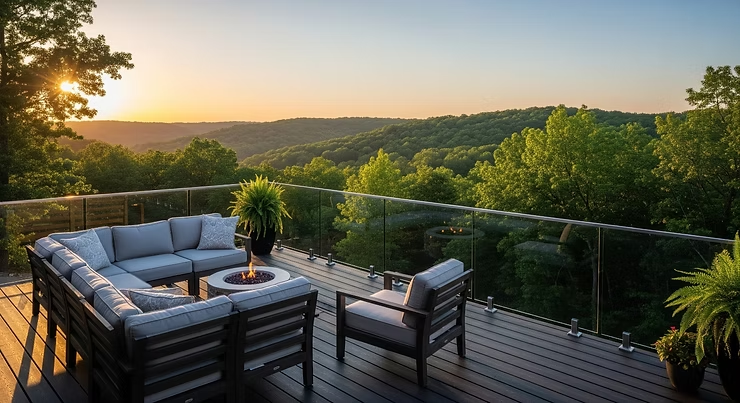
Choosing the right glass type directly affects your cost, durability, safety rating, and maintenance needs. Here’s how the main options compare:
Tempered Glass
The most common choice for residential deck railings. Tempered glass is heat-treated to be roughly four times stronger than standard glass. If it breaks, it shatters into small, blunt pieces rather than sharp shards, a critical safety feature for outdoor applications.
-
Thickness: typically 3/8 inch or 1/2 inch
-
Cost range: moderate
-
Best for: most residential decks in Missouri
Laminated Glass
Two or more glass layers bonded with a PVB (polyvinyl butyral) interlayer. If broken, the interlayer holds the fragments together. This is the same technology used in car windshields.
-
Thickness: typically 9/16 inch or thicker
-
Cost range: higher than tempered
-
Best for: elevated decks, commercial applications, areas with high impact risk
Tinted or Low-Iron Glass
Low-iron glass has a significantly cleaner, more transparent appearance, standard glass has a slight green tint that becomes visible in thicker panels. Low-iron (also called ultra-clear or Starphire) is a premium option that costs more but delivers noticeably better clarity.
|
Glass Type |
Clarity |
Safety Rating |
|
Standard tempered |
Good |
High |
|
Low-iron tempered |
Excellent |
High |
|
Laminated tempered |
Good |
Very High |
|
Low-iron laminated |
Excellent |
Very High |
For most Missouri homeowners building a deck railing, 3/8-inch or 1/2-inch tempered glass is the practical sweet spot between cost, safety, and appearance.
What Factors Affect the Cost of Glass Deck Railing in Missouri?
Several variables push the final number up or down. Understanding them helps you budget accurately and avoid surprises once a contractor is on-site.
1. Linear Footage
The single biggest cost driver. More linear feet means more panels, more posts, more hardware, and more labour hours. Measure your perimeter carefully before requesting quotes.
2. Frameless vs. Framed Systems
Frameless systems cost significantly more, both in materials and installation time. The base shoe channels require precise cutting and anchoring, and the glass itself must be cut to tighter tolerances.
3. Glass Thickness and Type
Thicker glass costs more to manufacture, ship, and handle. Upgrading from standard tempered to low-iron laminated can add $30 to $80 per linear foot to your material costs alone.
4. Deck Height and Accessibility
Higher decks require taller glass panels and more substantial post anchoring. Raised decks also present safety and staging challenges for installers, which increases labour time and cost.
5. Top Rail Options
Most glass railing systems include a top rail for grip and code compliance. Common materials include:
-
Aluminium: affordable, low maintenance, available in powder-coated colours
-
Stainless steel: premium look, higher cost
-
Wood: Warm, traditional feel, requires periodic sealing in Missouri’s humid summers
-
No top rail (fascia mount): sleek, modern, but not always code-compliant in every Missouri jurisdiction
6. Local Labour Rates in Missouri
Labor costs vary by region. Branson and Nixa contractors generally charge more per hour than those in rural central or southern Missouri. Expect to call at least three local contractors for competitive quotes.
7. Building Permits
Most Missouri municipalities require a permit for deck railing replacement or new installation. Permit fees are typically $50 to $300, depending on the city or county, but failing to pull a permit can create complications during a home sale.
8. Deck Condition and Substrate
If your existing deck framing, ledger board, or posts need repair before glass railing installation, those costs get added to the project. Contractors will often flag these issues during their site visit.
Common Mistakes Homeowners Make When Choosing Glass Deck Railings
Even well-intentioned renovations go sideways when homeowners skip a few key steps. These are the most frequent missteps seen on Missouri deck projects:
Choosing the cheapest quote without checking credentials:
Glass railing installation is more technical than wood baluster work. Verify that any contractor is licensed, insured, and has specific experience with glass railing systems, not just general decking.
Ignoring local building codes:
Missouri building codes follow the IRC in most jurisdictions, but local amendments exist. Some municipalities have specific requirements around glass thickness, post spacing, or top rail presence. Check with your local building department before finalizing your design.
Underestimating maintenance expectations:
Glass doesn’t rot or rust, but it does show fingerprints, water spots, and pollen, especially in spring across Missouri. If you’re not willing to wipe down the panels periodically, the investment can look neglected quickly.
Skipping the low-iron upgrade on visible panels:
Standard tempered glass has a noticeable green tint in thicker panes. Homeowners who choose the cheaper option sometimes regret it once the panels are installed and the tint becomes apparent in natural light.
Not accounting for wind load:
Missouri is no stranger to severe weather, including straight-line winds and tornado-adjacent conditions. Make sure your installer is sizing posts and anchors for local wind load requirements, not just minimum code.
Overlooking the top rail decision:
The top rail affects both usability and code compliance. Some homeowners choose a frameless, no-top-rail look online and later discover it doesn’t meet their local inspector’s requirements.
Is Glass Railing Worth the Cost for a Missouri Deck?
For most homeowners who prioritize aesthetics, property value, and long-term durability, glass deck railing delivers a strong return on investment, but it’s not the right fit for every situation.
Glass railing is worth it when:
-
You have a view worth preserving, whether it’s a wooded backyard, a lake, or an open Missouri landscape
-
You’re planning to sell within 5 to 10 years and want a high-impact upgrade that appeals to buyers
-
You want a low-maintenance alternative to wood balusters that need painting or staining
-
You’re building a modern or contemporary home where the aesthetic alignment matters
Glass railing may not be the best fit when:
- Budget is a primary constraint, exploring railing materials and design options like cable railing and aluminium balusters can deliver similar durability at a lower cost
-
You have young children or pets who frequently press against railings, creating constant cleaning demands
-
Your deck faces a less visually interesting direction, where the premium for unobstructed views doesn’t add value
-
Your deck is in a heavily shaded or north-facing position where algae and moisture buildup on glass panels can become a recurring issue
From a return on investment standpoint, Remodeling Magazine’s Cost vs. Value data consistently shows deck projects among the top ROI home improvements. Glass railing specifically tends to increase perceived home value more than standard balusters in competitive real estate markets like Kansas City and St. Louis metro areas.
Final Thoughts
Glass deck railing is a genuine upgrade, not just a cosmetic one. In Missouri, where outdoor living spaces are used across three seasons, and views often define a property’s appeal, a well-installed glass railing system can transform how a deck feels and functions.
The cost range is broad, $150 to $650 per linear foot installed, and the right number for your project depends on the system type, glass specification, deck complexity, and your contractor’s local rates. Getting at least three detailed quotes, pulling the required permits, and choosing a contractor with verifiable glass railing experience will get you to the best outcome.
If the budget is a concern, a semi-frameless system with standard tempered glass and an aluminium top rail offers most of the visual benefit at a more manageable price point than a fully frameless premium installation.
FAQs
How Much Does Glass Railing Cost Per Linear Foot In Missouri?
In Missouri, glass deck railing costs between $150 and $650 per linear foot installed. Basic framed systems start around $150, while fully frameless systems with premium hardware can exceed $500 per linear foot.
Do I Need A Permit For Glass Railing Installation In Missouri?
In most Missouri cities and counties, yes. Deck railing installations typically require a building permit. Requirements vary by municipality, so check with your local building department before starting the project.
How Thick Should Glass Be For A Deck Railing?
For residential deck railings, 3/8-inch tempered glass is the common minimum, with 1/2-inch being the more standard choice for better rigidity and wind resistance. Laminated glass panels are often thicker at 9/16 inch or more.
Is Glass Railing Slippery Or Dangerous?
Properly installed tempered glass railings meet safety codes and are designed to withstand lateral loads. The glass itself is not a walking surface, so slippage is not a concern. If broken, tempered glass shatters into small, blunt pieces rather than dangerous shards.
How Do You Clean Glass Deck Railings In Missouri?
A mild dish soap solution and a microfiber cloth or squeegee work well for routine cleaning. In Missouri’s spring, pollen buildup may require more frequent cleaning. Avoid abrasive pads that can scratch the glass surface.
Does Glass Railing Add Value To A Home?
Yes, particularly in markets like Springfield and Ozark, where modern design features appeal to buyers. Glass railing is considered a premium finish that can increase perceived home value and marketability.
How Long Does Glass Deck Railing Last?
Tempered glass panels themselves can last 20 to 30 years or more. The lifespan of the overall system depends largely on the quality of the hardware and the mounting system. Stainless steel and marine-grade aluminium components hold up best in Missouri’s variable climate.
What Is The Difference Between Frameless And Semi-Frameless Glass Railing?
Semi-frameless systems use visible posts to support the glass panels with minimal top and bottom framing. Fully frameless systems use a base shoe channel or point-fixed hardware to hold the glass with no visible framing around the panel edges, creating a cleaner, more seamless appearance.