Deck railing solutions are more than just a safety requirement—they’re the frame to your outdoor masterpiece. The right railing system can transform a basic deck into a stunning focal point while providing security and peace of mind. As the first element your neighbors and guests will notice, your railing choice impacts both curb appeal and long-term value.
Quick Answer: Top Deck Railing Solutions at a Glance
-
Aluminum Railing – Sleek, low-maintenance, resists corrosion, 25-year to lifetime warranties
-
Composite Railing – Traditional look, moisture-resistant, minimal upkeep, 25-35 year warranties
-
Cable Railing – Modern aesthetic, unobstructed views, horizontal wire infill, 15-year warranties
-
Glass Panel Systems – Maximum visibility, contemporary design, easy to clean
-
Steel Railing – Industrial strength, affordable entry point, 15-25 year warranties
Material matters. While all railing systems must meet building codes, the difference between materials shows up in maintenance schedules, lifetime costs, and how your deck looks five or fifteen years down the road. Aluminum and composite options eliminate the annual staining and sealing required by traditional wood railings. Cable and glass systems create open sightlines that let your view shine through.
Design flexibility has exploded. Today’s railing systems offer customization far beyond basic white pickets. You can mix materials, add drink rails, integrate LED lighting, choose from dozens of colors, and select infill styles that match everything from rustic cabins to ultra-modern lake homes.
I’m Jason Dampier, and after overseeing hundreds of deck projects across the Midwest, I’ve seen how the right deck railing solutions transform outdoor spaces while eliminating the maintenance headaches that plague traditional wood systems. At Top Deck, we work with premium manufacturers like Fortress, RailFX, and DSI to match homeowners with railing systems built to last decades, not just seasons.
A Deep Dive into Deck Railing Materials
When it comes to enhancing your outdoor living space in the Lake of the Ozarks or Springfield, MO, the material you choose for your deck railing is paramount. It’s not just about what looks good today, but what will stand the test of time, weather the Missouri seasons, and require the least amount of fuss.
We understand that our clients, whether contractors in Branson or homeowners in Nixa, are looking for durability, low maintenance, and an aesthetic that complements their home. That’s why we partner with industry leaders like Fortress Building Products, known for their strength and innovation, and offer diverse deck railing solutions including those from DSI.
Comparing Materials for Your Deck Railing Solutions
Let’s explore the most popular options available for your deck railing, each with its unique characteristics, to help you make an informed decision for your project. You can find More info about our Products on our website.
-
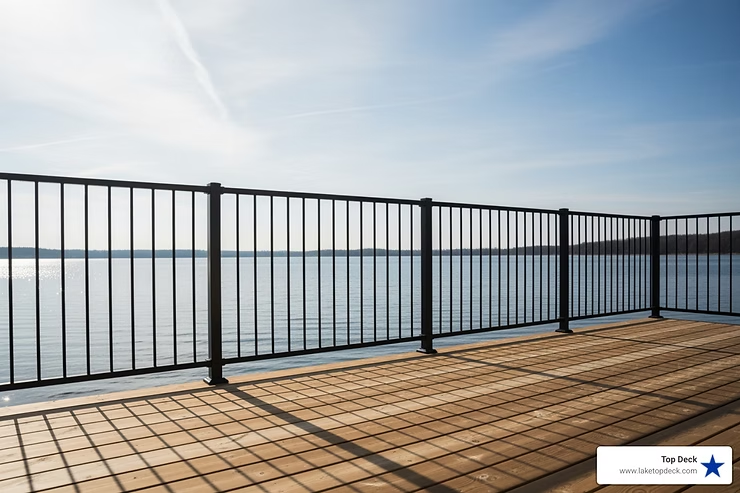
Aluminum Railing: This is a top-tier choice for many homeowners and commercial projects in our service areas of Missouri and Oklahoma. Aluminum railing offers sleek profiles, giving you narrow, clean lines that perfectly complement modern-style homes. It’s incredibly lightweight, yet remarkably strong, and thanks to advanced powder-coating technology, it’s virtually maintenance-free. Manufacturers like Fortress and Regal Ideas use 100% pure high-strength aluminum with premium UV powder coat finishes, ensuring resistance to fading, staining, and scratching. Our aluminum railing systems are engineered to the National Building Code for guard rail, ensuring superior safety and performance. Many come with impressive warranties, often a 25-year or even Lifetime Limited Manufacturer warranty.
-
Steel Railing: For those who appreciate industrial strength and a robust aesthetic, steel railing is an excellent option. Brands like Fortress offer steel systems (e.g., Fe26) that are built to endure. Steel railings typically feature multi-layered anti-corrosion coating technology, adapted from the automotive industry, to provide exceptional protection against the elements. They offer a strong visual presence and are often a more affordable entry point than some other metal options. Warranties for steel railings can range from 15 to 25 years.
-
Composite Railing: If you love the classic look of wood but dread the upkeep, composite railing is your hero. Made from a mix of high-performance polymers and recycled wood fibers, composite railings are moisture-resistant and protected from mold, mildew, and rot. They skip the painting and staining, offering lasting beauty with minimal maintenance. Trex and TimberTech, for example, provide a wide range of composite railing options, from traditional milled-wood looks to more contemporary styles. Warranties typically range from 25 to 35 years, providing peace of mind.
-
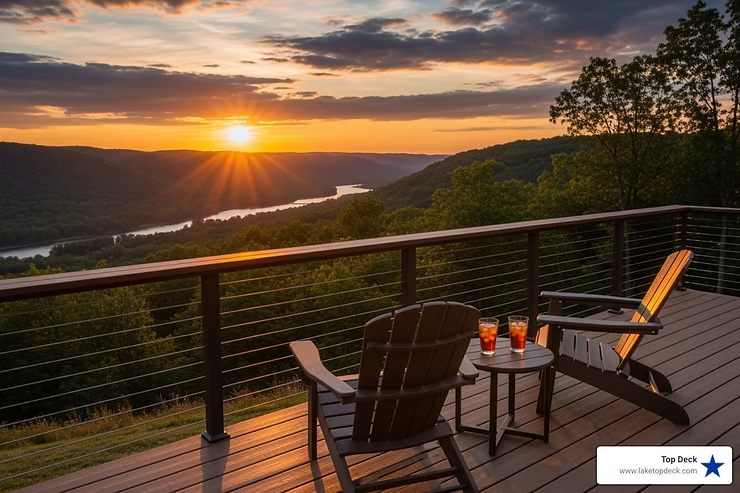
Cable Railing: For those who want to maximize their view – perhaps overlooking the beautiful Lake of the Ozarks or a scenic backyard in Springfield – cable railing is an unparalleled choice. Featuring thin, horizontal stainless steel cables, these systems provide a minimalist and modern aesthetic that practically disappears, offering unobstructed sightlines. Cable railing is exceptionally durable and requires minimal maintenance. FortressCable H-Series, for instance, offers a 15-Year Limited Manufacturer warranty. It’s a fantastic option for creating that “enjoy your vista” experience.
-
Glass Panel Railing: Similar to cable railing, glass panel systems are designed to offer maximum visibility and a clean, contemporary look. They create an neat barrier without blocking the view, making them perfect for modern homes. Vista Railings and Fortress Pure View® systems offer tempered glass panels that are easy to clean and maintain. They are engineered for safety and meet or exceed building codes, often backed by a Lifetime Limited Manufacturer warranty.
-
Traditional Wood Railing: While we champion low-maintenance alternatives, we understand the timeless appeal of wood. If you opt for wood, we recommend using high-quality, kiln-dried lumber. Kiln-drying significantly reduces the moisture content in the wood, which minimizes warping, cracking, and shrinking after installation. This leads to a more stable, durable, and longer-lasting railing system compared to air-dried lumber. However, wood railings will require regular staining, painting, or sealing to protect them from the elements and maintain their appearance, a trade-off for their natural beauty.
Pros and Cons of Popular Choices
To help you quickly compare some of our most popular deck railing solutions, here’s a table summarizing their key aspects:
|
Feature |
Aluminum Railing |
Composite Railing |
Cable Railing |
|
Aesthetics |
Sleek, modern, minimalist, clean lines |
Traditional wood look, versatile, can mimic painted wood |
Contemporary, industrial-chic, maximizes views, unobtrusive |
|
Durability |
Excellent, resists rust, corrosion, fading, scratching |
Excellent, resists rot, mold, mildew, insects, splintering |
Excellent, stainless steel cables are highly durable and weather-resistant |
|
Maintenance |
Very low (occasional cleaning) |
Very low (occasional cleaning, no painting/staining) |
Low (occasional cleaning, tension checks) |
|
Typical Budget |
Mid to High |
Mid |
Mid to High |
The benefits of low-maintenance materials like aluminum or composite are clear: more time enjoying your deck and less time working on it! Aluminum’s corrosion resistance means it stands up well to the humid summers and icy winters we experience in Southwest Missouri. And for those breathtaking views, cable railing truly offers an unobstructed experience that lets the beauty of your surroundings shine through.
Designing Your Perimeter: Style, Customization, and Trends
Your deck railing isn’t just a barrier; it’s an extension of your home’s architectural style and a canvas for your personal preferences. Whether your home is a rustic lodge in the Ozarks or a modern build in Springfield, the right railing ties your outdoor space seamlessly to your existing design. We believe in creating a look that will be the envy of your neighbors!
From classic white composite railings that evoke a traditional charm to sleek, dark aluminum for a contemporary edge, the possibilities are vast. We often guide our clients in Marshfield and Seymour to consider how their railing choice will impact the overall feel.
A transitional design, for instance, incorporates elements of both traditional and contemporary design for a unique look, blending old and new harmoniously. You can learn more about Transitional design style to find inspiration.
Customization and Infill Options
This is where the fun really begins! Modern deck railing solutions offer an incredible array of customization options, allowing you to curate a look that is uniquely yours.
Here’s a list of popular infill options:
-
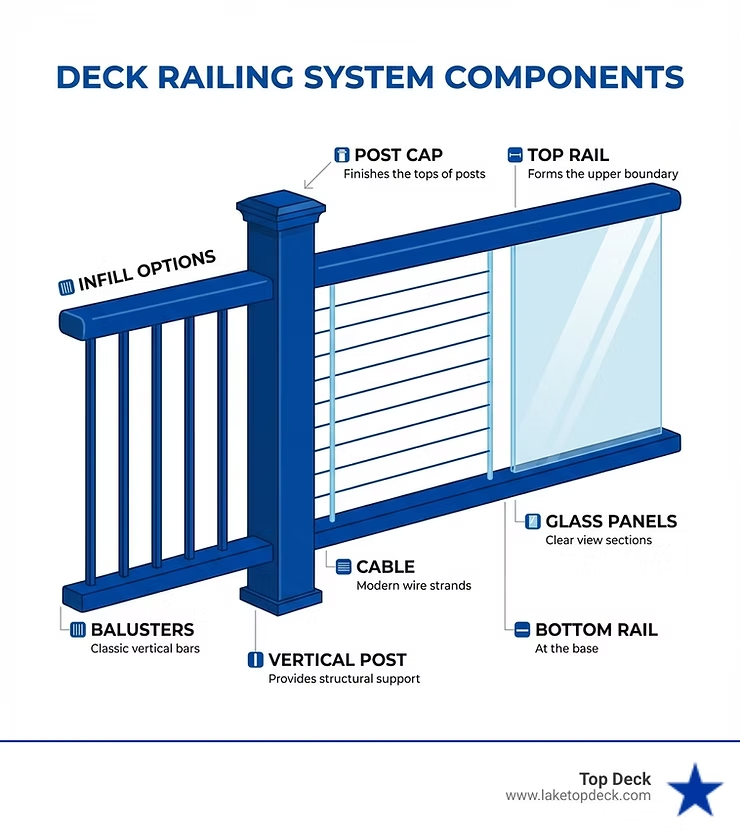
Vertical Balusters: The classic choice, available in composite, aluminum, or steel. Composite balusters offer a traditional, stately look, while aluminum balusters provide a sleeker profile and clearer sightlines.
-
Horizontal Cable: As discussed, this infill delivers style and security with a unique industrial-chic design, offering those coveted unobtrusive views.
-
Glass Panels: For a totally unobstructed view and a clean, open feel, tempered glass infills are a luxurious choice. They are perfect for enjoying panoramic vistas.
-
Rod Rails: These typically feature horizontal metal rods, offering a modern, minimalist aesthetic similar to cable but with a bolder line.
-
Mesh Panels: An emerging trend, mesh panels offer an industrial yet sophisticated look, creating a unique texture and semi-transparent barrier.
Beyond infills, consider these customization elements:
-
Top Rail Styles: You can opt for a traditional rail, a slim profile, or even a deck board top rail between each post for a modern, functional profile that acts as a drink rail.
-
Drink Rail Functionality: Imagine placing your morning coffee or evening cocktail right on your railing! A flat, wide top rail can serve as a convenient surface, enhancing the functionality of your outdoor space.
-
Post Cap Options: Don’t underestimate the power of post caps! They finish the look and can even include integrated lighting for added ambiance.
-
Color Choices: From classic white and matte black to various shades of brown, bronze, and even custom colors, the right hue can dramatically change the feel of your deck. Regal Ideas, for example, offers components and parts with premium UV powder coat finishes in a variety of colors.
We encourage you to Explore our Railing options to see the full spectrum of possibilities.
Innovations and Latest Trends
The world of deck railing solutions is constantly evolving, with manufacturers pushing the boundaries of design and technology. We keep our finger on the pulse of these innovations to bring you the best for your projects in Missouri and Oklahoma.
-
Minimalist Profiles: The trend is towards cleaner, less obtrusive railing designs that blend seamlessly with the environment rather than dominating it. Think slim aluminum or rod rails.
-
Mixed Materials: Combining different materials, such as composite posts with aluminum balusters or a composite top rail with cable infill, creates striking, unexpected perimeters and adds visual interest.
-
Horizontal Railings: Horizontal infills, like cable or rod rails, continue to gain popularity for their modern aesthetic and ability to create a sense of spaciousness.
-
Dark Colors (Matte Black): Matte black railings are incredibly popular, offering a sophisticated, high-contrast design that makes a bold statement and beautifully frames any view.
-
Integrated Lighting Systems: Lighting integrated into deck railings is a game-changer. Post cap lights, under-rail lighting, and stair lighting improve safety, extend the usability of your deck into the evening, and create a warm, inviting ambiance.
-
Sustainable Materials: With a growing focus on environmental responsibility, composite railings made from recycled materials are an increasingly popular choice. Many composite options from brands like Trex and TimberTech incorporate recycled content, offering a beautiful and eco-friendly solution. For more on this, check out More info about our Composite Decking.
Key Considerations for Your Deck Railing Solutions
Before you fall in love with a particular style, consider the practical aspects that will ensure your deck railing solutions are a smart, long-term investment.
Budget planning is, of course, a critical first step. While some options may have a higher upfront cost, their long-term value, thanks to minimal maintenance and extended warranties, often makes them the more economical choice over the lifespan of your deck. We always encourage our clients to look beyond the initial price tag and consider the total cost of ownership.
Manufacturer reputation and warranty are also crucial. Brands like Fortress, Regal Ideas, Trex, TimberTech, and Vista Railings have built their reputations on quality and stand behind their products with impressive warranties – ranging from 15-year limited manufacturer warranties on cable systems to 25-year or even Lifetime Limited Manufacturer warranties on aluminum and glass. This commitment from manufacturers gives you confidence in your investment. For instance, our Aluminum Railing Systems come with a 25-year limited lifetime warranty.
Understanding Durability and Maintenance
One of the biggest advantages of modern deck railing solutions is the shift towards low-maintenance materials. Gone are the days of constant scraping, sanding, and repainting!
-
Low-Maintenance Materials: Aluminum, composite, and PVC railings are designed to resist the elements without significant intervention. They are impervious to rot, insects, and splintering.
-
Powder-Coated Finishes: These finishes, common on aluminum and steel railings, are incredibly durable. Powder coating is a heat-activated and cured process that doesn’t generate harmful solvents or airborne pollutants, unlike solvent-based liquid paint. This provides long-lasting, low-maintenance protection that resists chipping, scratching, and UV damage.
-
Resistance to Weather, Fading, and Staining: High-quality materials are engineered to maintain their color and integrity even under intense sun, heavy rain, or freezing temperatures, common in the Ozarks.
-
Cleaning Requirements: Typically, a simple wash with soap and water is all that’s needed to keep these railings looking their best.
Comparing Composite vs. Wood Maintenance: This is where the long-term value really shines. A traditional wood railing, even if made from kiln-dried lumber, will require annual or biannual maintenance – cleaning, sanding, staining or painting, and sealing.
Over 10-15 years, these costs and the time commitment add up significantly. Composite railings, on the other hand, only require occasional cleaning, saving you time, money, and effort. This is why many of our clients in the Lake of the Ozarks choose composite for their deck and railing. You can explore Explore our Decking materials to see compatible options.
Navigating Building Codes and Safety
Safety is non-negotiable. All deck railing solutions must adhere to strict building codes to ensure the well-being of everyone using your outdoor space. In Missouri and Oklahoma, we deal with specific regulations, and it’s our job to ensure your project meets or exceeds these standards.
-
Safety Standards: Railing is generally required for decks 30 or more inches high above the ground. These requirements are in place to prevent falls and ensure structural integrity.
-
National Building Code (NBC) & International Building Code (IBC): Reputable manufacturers engineer and test their components and systems rigorously to meet or exceed both National (NBC) and International (IBC) Building Codes. Our Aluminum Railing Systems, for example, are engineered to the National Building Code for guard rail.
-
Railing Height Requirements: The most common requirement is a minimum railing height of 36 inches for residential decks and 42 inches for commercial applications. However, these can vary locally.
-
Graspable Handrails: For stairs, a separate, graspable handrail is often required to provide continuous support.
-
Accessibility (ADA Compliance): For some commercial or public-facing residential projects, ADA-compliant handrails may be necessary. These are typically lower, continuous rails designed for easier gripping.
It’s crucial to be aware that railing has specific code requirements — some of which may be local to your area. We highly recommend consulting with us or a local building authority to ensure your chosen railing system complies with all regulations in your specific location, whether that’s Camdenton, Branson, or Springfield.
Installation: From Planning to Completion
Once you’ve chosen your ideal deck railing solutions, the next step is installation. This phase can range from a satisfying DIY project to a professionally handled endeavor, depending on your comfort level and the complexity of the system.
Many modern railing systems are designed with ease of installation in mind. Regal Ideas products are often cited as some of the easiest systems on the market to install, for example. Similarly, Trex highlights systems with pre-assembled panels and pre-mounted brackets to save time and labor. Peak RailBlazers Aluminum Railing system is also engineered to be DIY-friendly.
Whether you’re tackling it yourself or hiring a pro, having clear manufacturer instructions, the right tools, and an understanding of the process is key. Some systems even feature pre-drilled holes and panelized designs, significantly streamlining the assembly. We also offer More info about our Services to assist you with your project.
DIY vs. Professional Installation for Deck Railing Solutions
The choice between DIY and professional installation often boils down to a few factors:
-
Assessing Project Complexity: Simple, linear railing runs with pre-assembled panels are more amenable to DIY. More complex designs involving curves, stairs, integrated lighting, or mixed materials might be better left to professionals.
-
Time Commitment: DIY projects, while potentially saving money, demand a significant time investment. A professional team can often complete the installation much faster, especially for larger decks. One statistic noted that a small crew could install over 300 feet of Regal railing in a single day due to its ease of installation.
-
Skill Level Required: While many systems are “DIY-friendly,” they still require basic carpentry skills, accurate measurements, and adherence to instructions. If you’re unsure about any aspect, a professional ensures a flawless and code-compliant installation.
-
Cost Savings of DIY: The primary allure of DIY is saving on labor costs. However, factor in potential tool rentals, material waste from errors, and the value of your own time.
-
Ensuring Code-Compliant Installation: This is paramount. Professionals are well-versed in local building codes and can ensure your railing meets all safety and structural requirements, avoiding costly re-work or fines down the line.
-
When to Hire a Professional: For peace of mind, complex designs, time constraints, or if you’re simply not comfortable with the physical demands and technicalities, hiring a professional installer is always a wise choice. It ensures the job is done right, the first time.
Frequently Asked Questions about Deck Railings
We often hear similar questions from homeowners and contractors across Missouri. Here are some of the most common ones we address regarding deck railing solutions:
What is the most durable type of deck railing?
Based on our experience and industry data, aluminum and steel railings are generally considered among the most durable options, especially when treated with advanced powder-coating technologies.
These materials resist rust, corrosion, and pests, and maintain their aesthetic appeal for decades with minimal fading or scratching. For example, Fortress’s Al13 PLUS aluminum railing comes with a Lifetime Limited Manufacturer warranty, and their Fe26 steel railing offers a 25-year warranty.
Composite railing also boasts excellent durability, resisting rot, mold, mildew, and insects, and comes with impressive warranties, typically 25 to 35 years. While it might not have the sheer tensile strength of steel, its resistance to environmental degradation makes it incredibly long-lasting in its own right. The warranty offered by a manufacturer is often a strong indicator of a product’s expected lifespan and durability.
How much does deck railing cost?
The cost of deck railing solutions varies significantly based on several factors, including:
-
Material: Traditional wood is often the lowest upfront cost but has higher long-term maintenance expenses. Steel is an affordable entry point, while composite, aluminum, cable, and glass systems generally fall into mid to higher price ranges. For example, Trex Improve™ Steel Railing is an affordable option, while their Signature® Aluminum Railing is more upscale.
-
Design Complexity: Custom curves, mixed materials, and intricate infill options will increase costs.
-
Labor Costs: Professional installation will add to the overall price, though it ensures quality and code compliance.
-
Budget vs. Premium Options: Most manufacturers offer tiered product lines to suit different budgets, from more economical options to premium, highly customizable systems.
While a precise average cost is difficult to provide without specific project details, we encourage thinking of railing as a long-term investment. Higher-quality, low-maintenance options might have a greater upfront cost but will save you money and time over the life of your deck by eliminating regular repairs, painting, and staining.
Can I add lighting to my existing deck railing?
Absolutely! Integrating lighting into your deck railing is one of the best ways to improve both the functionality and ambiance of your outdoor living area. It extends the usability of your deck into the evening hours and creates a warm, inviting atmosphere.
Most modern deck railing solutions offer integrated lighting systems. This can include:
-
Post Cap Lights: These illuminate the top of your railing posts, casting a soft glow.
-
Under-Rail Lighting: Strips of LED lights installed discreetly beneath the top rail create a beautiful downward wash of light along the deck perimeter.
-
Stair Lighting: Essential for safety, these lights illuminate each step, preventing trips and falls.
Many of these options use low-voltage LED technology, which is energy-efficient and long-lasting. Whether you’re building a new deck or looking to upgrade an existing one, adding lighting is a fantastic way to lift your outdoor space.
Your Partner for Premium Deck Railing
Choosing the right deck railing solutions is a significant investment in your home’s safety, aesthetic appeal, and long-term value. We’ve explored the diverse materials, styles, customization options, and crucial considerations like building codes and maintenance. The key takeaway? Your railing is more than just a functional barrier; it’s a design element that frames your outdoor masterpiece.
At Top Deck, we are committed to providing expert guidance and premium materials for contractors, homeowners, and DIYers across the Lake of the Ozarks, Springfield, and throughout Missouri and Oklahoma.
We understand the local climate and building requirements, ensuring that the products we recommend, from trusted brands like Fortress, RailFX, and DSI, are perfectly suited for your project. Our commitment is to support you from frame to finish, helping you create an outdoor living space that you’ll love for years to come.
Don’t settle for anything less than the best for your outdoor oasis. Contact us today to explore the perfect railing solution for your deck. Let’s build something beautiful together for your Outdoor Living space!