Planning a new deck in Missouri is an exciting project, but before you break ground, you need a clear picture of lumber costs. Whether you’re building a ground-level platform in Springfield, a raised deck in Nixa, or a multi-level structure in Ozark, the type of wood you choose will drive a big portion of your total budget.
This guide breaks down current deck lumber prices in Missouri, the factors that influence those numbers, and practical ways to keep your material costs under control, without cutting corners on quality or structural integrity.
Average Cost of Deck Lumber in Missouri
Deck lumber costs vary across southwest Missouri based on local labor rates, supplier access, and site conditions. Whether you’re building near Lake of the Ozarks in Camdenton or in a Springfield neighborhood, here’s what homeowners across the region are realistically paying.
Average Deck Lumber Cost by Material Type
| Lumber Type | Material Only (per sq ft) | Fully Installed (per sq ft) | Expected Lifespan |
| Pressure-Treated Pine | $2 – $5 | $15 – $30 | 10 – 25 years |
| Cedar | $4 – $10 | $20 – $40 | 15 – 25 years |
| Redwood | $6 – $12 | $25 – $45 | 25 – 40+ years |
| Douglas Fir | $3 – $5 | $18 – $35 | 15 – 20 years |
| Ipe (Brazilian Hardwood) | $5 – $35 | $35 – $65 | Up to 75 years |
| Composite Decking | $5 – $15 | $30 – $55 | 25 – 30 years |
Material-only prices reflect lumber yard and supplier costs. Fully installed prices include labor, fasteners, and basic framing. Missouri labor rates run $15 to $35 per square foot, approximately 9% below the national average.
Deck Lumber Cost in Springfield, MO
Springfield is the largest market in southwest Missouri and has the widest selection of lumber suppliers and deck contractors. The Chestnut Expressway corridor and surrounding residential areas see consistent deck construction activity year-round.
What Springfield homeowners typically pay:
- Small deck (100–200 sq ft): $4,000 – $8,000 fully installed
- Mid-size deck (200–400 sq ft): $8,000 – $18,000 fully installed
- Large or multi-level deck (400+ sq ft): $18,000 – $28,000+
Pressure-treated pine installs at $15 to $30 per square foot in Springfield. Cedar and composite options run $20 to $55 per square foot depending on grade and product line. Springfield contractors require a Graduated Business License (GBL) for work within city limits, confirm your contractor is licensed before signing any agreement.
Deck Lumber Cost in Camdenton, MO
Camdenton sits at the heart of the Lake of the Ozarks region, where lake-adjacent properties, elevated terrain, and waterfront decks create unique construction demands. Decks in Camdenton frequently require deeper footings, longer posts, and treated lumber rated for ground contact due to sloped lots and proximity to water.
What Camdenton homeowners typically pay:
- Small deck (100–200 sq ft): $5,000 – $10,000 fully installed
- Mid-size deck (200–400 sq ft): $10,000 – $20,000 fully installed
- Large or waterfront/multi-level deck (400+ sq ft): $20,000 – $35,000+
Camdenton pricing runs slightly higher than Springfield averages due to site complexity and the premium on waterfront-grade construction. Composite and Ipe hardwood are popular choices here given their resistance to moisture and lake-area humidity. Contractor availability can tighten in peak summer months when lake property demand surges, book early.
Deck Lumber Cost in Nixa, MO
Nixa’s strong residential growth has made it one of the busiest markets for deck construction in Christian County. Lumber availability is good, and pricing closely mirrors Springfield’s rates.
What Nixa homeowners typically pay:
- Small deck (100–200 sq ft): $4,000 – $8,500 fully installed
- Mid-size deck (200–400 sq ft): $8,500 – $18,000 fully installed
- Large deck (400+ sq ft): $18,000 – $26,000+
Pressure-treated pine is the dominant framing material in Nixa builds. Cedar decking boards are popular for surface planks. Nixa’s clay-heavy soil may require larger concrete footings, adding modestly to structural lumber needs.
Deck Lumber Cost in Ozark, MO
Ozark sits in Christian County along the Finley River corridor, with a mix of flat and sloped residential lots. Most builds here fall into the standard southwest Missouri pricing range.
What Ozark homeowners typically pay:
- Small deck (100–200 sq ft): $4,000 – $8,000 fully installed
- Mid-size deck (200–400 sq ft): $8,000 – $17,000 fully installed
- Large deck (400+ sq ft): $17,000 – $25,000+
Standard pressure-treated framing with cedar or composite surface boards is the most common build type in Ozark. Spring and summer demand peaks, so late fall and winter builds typically come in 10 to 20 percent cheaper.
Deck Lumber Cost in Branson, MO
Branson’s tourism-driven economy and hillside topography push deck construction costs slightly above typical southwest Missouri averages. Many properties here feature elevated or multi-level decks to maximize views, which increases structural complexity and framing lumber requirements.
What Branson homeowners typically pay:
- Small deck (100–200 sq ft): $5,000 – $10,000 fully installed
- Mid-size deck (200–400 sq ft): $10,000 – $20,000 fully installed
- Large or elevated deck (400+ sq ft): $20,000 – $32,000+
Composite and Ipe decking are popular in Branson due to their low maintenance requirements and resistance to the humidity and weather swings common in the Ozarks. Premium views command premium builds here.
Deck Lumber Cost in Republic, MO
Republic is a fast-growing suburb southwest of Springfield, with predominantly flat residential lots that keep framing costs manageable. Pricing is among the most competitive in the southwest Missouri region.
What Republic homeowners typically pay:
- Small deck (100–200 sq ft): $3,800 – $7,500 fully installed
- Mid-size deck (200–400 sq ft): $7,500 – $16,000 fully installed
- Large deck (400+ sq ft): $16,000 – $24,000+
Pressure-treated pine framing with composite surface boards is a popular and cost-effective combination in Republic. Flat lots reduce footing complexity and keep structural lumber costs lower than hillier areas.
Deck Lumber Cost in Battlefield, MO
Battlefield is a smaller community between Springfield and Republic with comparable pricing and similar site conditions. Most residential lots are accessible and relatively level.
What Battlefield homeowners typically pay:
- Small deck (100–200 sq ft): $3,800 – $7,500 fully installed
- Mid-size deck (200–400 sq ft): $7,500 – $16,000 fully installed
- Large deck (400+ sq ft): $16,000 – $24,000+
Battlefield homeowners typically access the same contractor pool as Springfield and Republic, keeping competitive pricing available. Pressure-treated pine remains the dominant and most affordable framing choice.
Deck Lumber Cost in Joplin, MO
Joplin sits at the western edge of southwest Missouri and operates as a regional hub with its own supply chain for lumber and building materials. Pricing is consistent with the broader southwest Missouri market, though contractor rates can vary from Springfield’s.
What Joplin homeowners typically pay:
- Small deck (100–200 sq ft): $4,000 – $8,000 fully installed
- Mid-size deck (200–400 sq ft): $8,000 – $17,000 fully installed
- Large deck (400+ sq ft): $17,000 – $26,000+
Joplin’s relatively flat terrain keeps framing costs in check for most standard residential builds. Local lumber yards provide good access to pressure-treated pine and cedar at competitive regional prices.
What Affects Deck Lumber Costs in Missouri
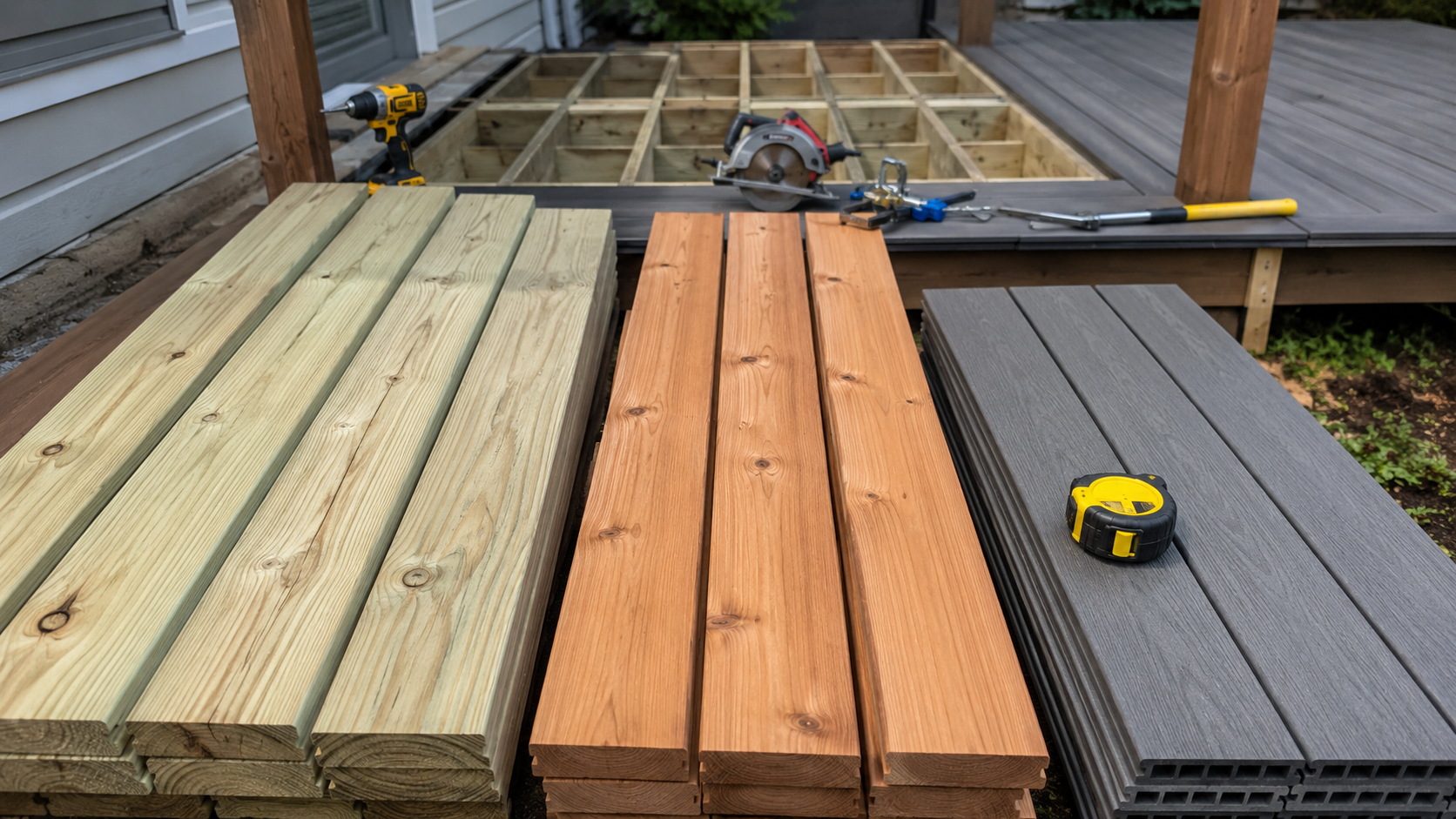
Several interconnected factors influence what you’ll actually pay when purchasing deck lumber in Missouri. Understanding each one helps you make smarter buying decisions.
Wood Species and Treatment
This is the single biggest cost driver. Pressure-treated pine leads the market, covering over 70% of residential deck builds, thanks to its rot and insect resistance at a low price point. Cedar and redwood cost more upfront but need fewer chemical treatments due to their natural oils. Exotic hardwoods like Ipe offer superior durability but carry a premium price and require specialized installation tools.
Lumber Dimensions and Board Grade
Board size and grade directly affect your material cost. Common deck dimensions include 2×4, 2×6, 5/4×6, and 4×4 posts. Wider boards cost more per piece but reduce the total quantity needed. Premium or select-grade lumber, with fewer knots and straighter grain, costs more than standard construction-grade boards but performs better over time.
Market Conditions and Tariff Impact
Lumber prices don’t stay fixed. As of late 2025, framing lumber sits around $903 per MBF, up over 12% year-over-year. Tariffs on Canadian softwood imports have added further pressure on pine and SPF products commonly used in deck framing across Missouri.
Deck Size and Structural Complexity
Larger decks require more lumber, though cost-per-square-foot often drops with volume. Multi-level designs, pergola attachments, built-in benches, or angled layouts increase cuts and waste, raising both material and labor costs.
Site Conditions and Soil Type
Missouri’s clay-heavy soil, common across the Ozarks foothills and Missouri River floodplain, often requires deeper footings, which means longer posts and more structural lumber. Sloped or uneven sites need additional framing to achieve a level surface.
Local Permits and Building Codes
Most Missouri municipalities require a building permit for new deck construction, with fees ranging from $50 to $1,000. Springfield has additional requirements, including a Graduated Business License (GBL) for contractors working within city limits. Skipping permits can result in fines, forced removal, or issues at resale.
Seasonal Demand
Spring and early summer drive peak construction activity in Missouri, tightening lumber supply and pushing prices higher. Buying materials in late fall or winter, when demand slows, can deliver meaningful savings, especially on large-volume orders.
Ready to build? Top Deck supplies premium deck lumber across Missouri. Get your free estimate today and let our experts help you plan every board.
Tips to Save Money on Deck Lumber Without Sacrificing Quality
Cutting costs on deck lumber doesn’t mean compromising structural integrity. These practical strategies help you stretch your budget without cutting corners.
- Use pressure-treated pine for framing, premium wood for the surface: Reserving cedar or redwood for visible decking boards, while using PT pine for joists, beams, and posts, keeps costs down without affecting durability.
- Buy in bulk from a local Missouri lumber yard: Local suppliers often beat big-box retailers on pricing for dimensional and pressure-treated lumber, with a wider selection of grades and lengths that reduces cutting waste.
- Stick to a 10–15% waste allowance: Over-ordering ties up capital in leftover material. A 10% buffer covers most standard deck layouts comfortably.
- Buy in late fall or winter: Construction demand slows seasonally, meaning better pricing and stronger availability from local suppliers.
- Get at least three contractor quotes: Labor runs 50–70% of the total project cost, and competitive bidding on installation can save significantly, even with a fixed lumber budget.
Applying even two or three of these strategies can meaningfully reduce your total lumber spend while keeping your deck structurally sound and built to last.
Common Mistakes That Increase Deck Lumber Costs
Even experienced DIYers and first-time homeowners run into avoidable cost overruns. Here are the most frequent ones to watch for.
- Choosing lumber grade by price alone: Boards with excessive knots, warp, or crown generate more waste, difficult installation, and earlier replacements. Always inspect for straightness before purchasing.
- Skipping ground-contact-rated lumber for structural components: Using above-ground-rated pressure-treated lumber in soil contact causes premature rot and violates Missouri building codes. The 30–50% price premium is a requirement, not an upgrade.
- Underestimating the framing lumber budget: Joists, rim joists, beams, blocking, and ledger boards account for up to one-third of total lumber costs. Leaving framing out of your initial estimate creates mid-project budget surprises.
- Ignoring long-term maintenance costs: Pressure-treated pine needs sealing every two to three years. Those recurring expenses add up considerably over a 15-year ownership period, and factor in the lifetime cost, not just the purchase price.
- Buying materials before finalizing the design: Mid-project changes can leave you with unusable lumber or critical shortages. Confirm your complete material list against a finalized plan before ordering.
- Not accounting for Missouri’s climate: Humid summers, cold winters, and spring moisture swings cause unsuitable wood to warp or crack prematurely. Choose species rated for Midwest conditions and ensure proper under-deck ventilation.
Avoid costly mistakes before they happen. Top Deck’s Missouri experts help you choose the right lumber, grade, and treatment for your project from the start.
Final Thoughts
Deck lumber costs in Missouri depend on wood species, grade, treatment type, and project size. Pressure-treated pine suits most budgets, cedar and redwood offer a durability upgrade, while composite and hardwoods like Ipe reduce long-term maintenance costs.
Whichever material you choose, stick to Missouri’s building codes, use properly graded lumber, and work with a licensed contractor. A well-built deck returns roughly 83% of its cost at resale, making it a smart home equity decision.
FAQs
What Is The Cheapest Deck Lumber Available In Missouri?
Pressure-treated pine is the most affordable option, typically costing $2 to $5 per square foot for materials. It’s widely available across Missouri and offers reliable rot and insect resistance with proper maintenance.
How Much Does Deck Lumber Cost Per Board Foot In Missouri?
Costs vary by species, pine and SPF run $2 to $3 per board foot, Douglas Fir $3 to $5, and redwood $5 to $9. Exotic hardwoods like Ipe cost significantly more depending on grade and availability.
Do I Need A Permit To Build A Deck In Missouri?
Most Missouri cities and counties require a building permit for new deck construction. Permit fees range from $50 to $1,000, depending on your municipality and project scope.
Is Composite Decking Worth The Extra Cost In Missouri?
For homeowners staying five or more years, composite decking often delivers better total value than pressure-treated wood. The higher upfront cost is offset by lower long-term maintenance, with no sealing or staining required.
What Wood Species Holds Up Best In Missouri’s Climate?
Cedar, composite, and pressure-treated pine all perform well through Missouri’s humid summers and cold winters. Redwood and Ipe are excellent choices, too, though they may require special ordering from local suppliers.
When Is The Best Time To Buy Deck Lumber In Missouri?
Late fall and early winter typically offer better pricing as construction demand slows down. Spring and summer bring peak activity, which can tighten local supply and push lumber prices higher.